
Emily Zhao
Client Solutions Architect
10+ years helping enterprise clients design custom print programs. Specializes in label compliance, packaging workflows, and multi-SKU production planning.
Articles — Page 6
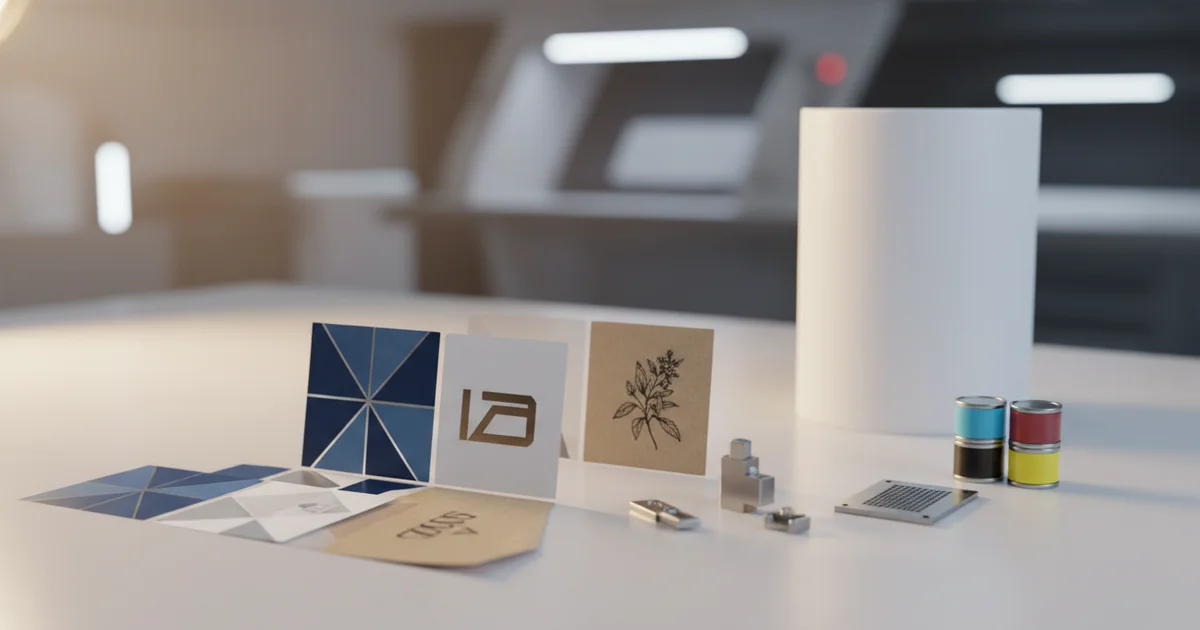
3.5 x 1.75 Custom Printed Labels: The 2026 Technical Sourcing & Production Guide
Source 3.5 x 1.75 custom printed labels: Flexographic printing under $0.08/unit for 5k+ runs on 12x18 sheets yielding 24 labels. Specify 10mil BOPP for outdoor use and require G7 proofs. Avoid post-office services above 500 units.
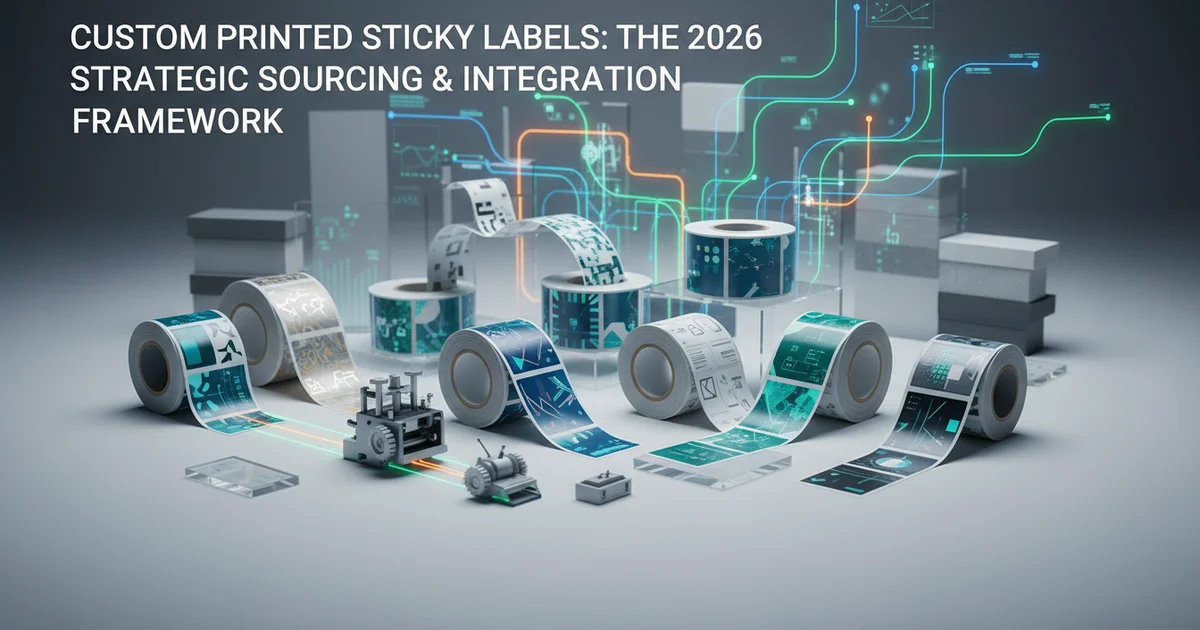
Custom Printed Sticky Labels: The 2026 Strategic Sourcing & Integration Framework
Consolidate custom printed sticky labels, shrink sleeves, and barcodes into one workflow to cut costs 15-30%. For runs over 10,000 units, flexographic printing on PET film is 40-50% cheaper than digital. Integrate compliance like GS1 standards for Vancouver, BC or alcohol warnings for Oman from the start.
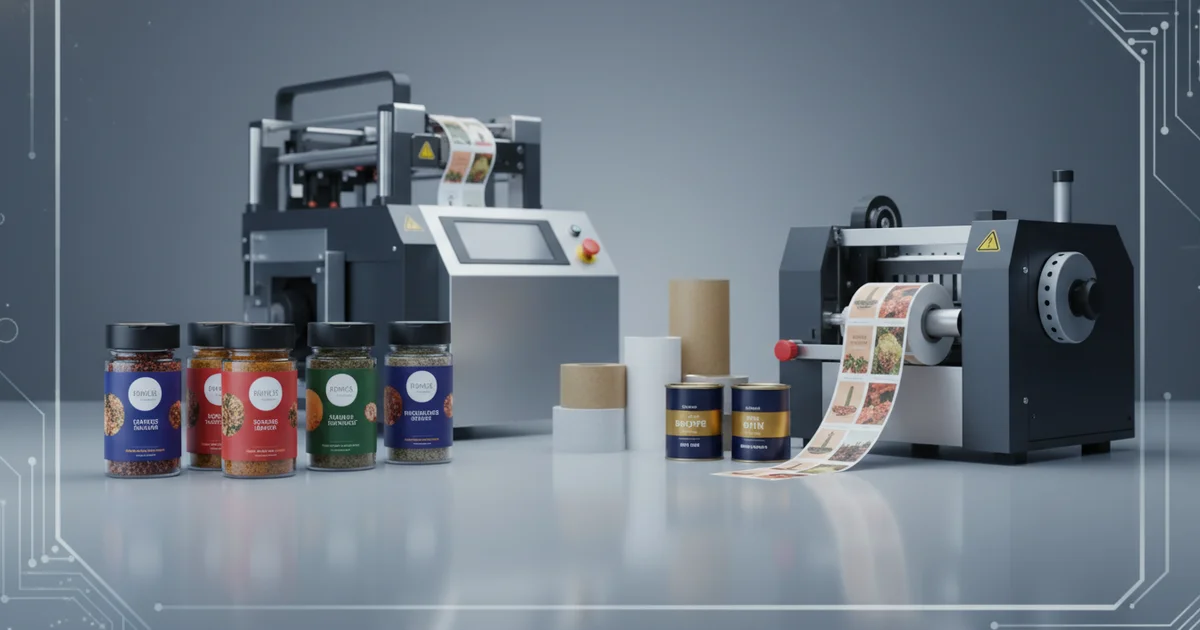
Spice Jar Wrap Label Printing: A 2026 Case Study in Speed, Quality & Scale
Spice jar wrap label printing case study: Digital solutions with PULISI inspection cut lead times to 10 days, reduce waste by 95%, and enable scaling to 15 SKUs in 6 months. Breakeven vs. flexo is 8,000–12,000 units. Specify 60# film with high-humidity adhesive for oil resistance.
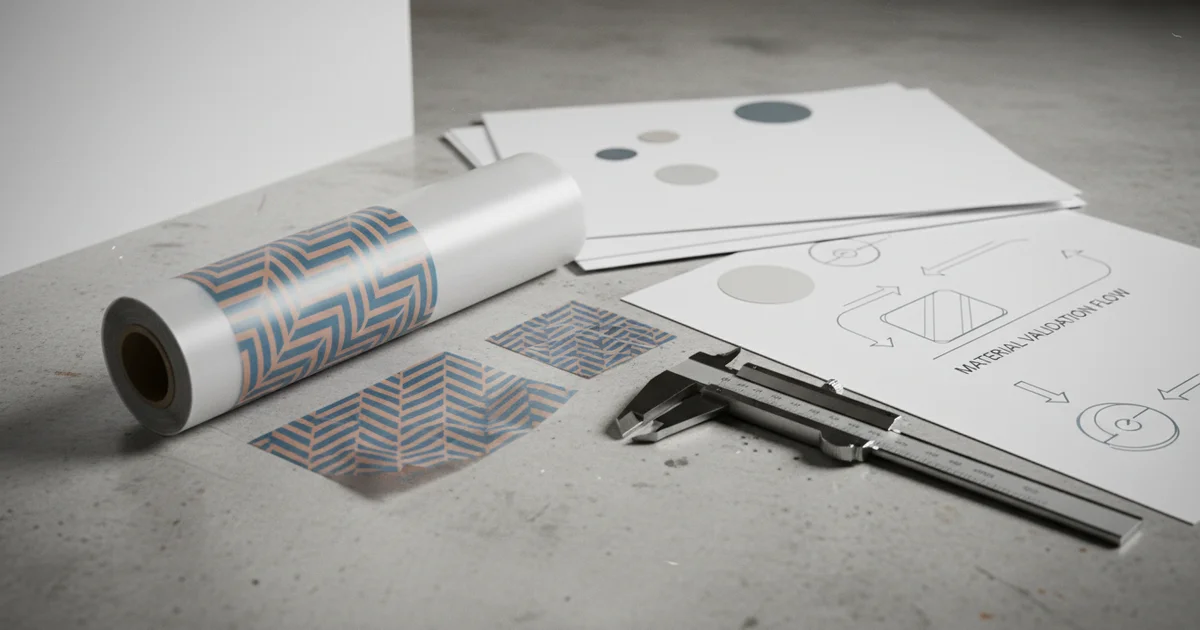
Heat Shrink Label Printing: Cut Costs 40% with Material Validation
Heat shrink label printing requires 3:1 shrinkage at 120-150°C. Validate materials like PET-G or PVC to cut waste 25% vs. 22% industry average. In-house ROI needs 5,000 labels monthly on a Heidelberg press. Professional services achieve Delta E <2.0 color accuracy.
Private Label Printing MA: The 2026 Strategic Supply Chain & Compliance Blueprint
Private label printing MA: Integrated manufacturing cuts quality incidents 73% vs. multi-vendor. MA hubs achieve FDA 21 CFR Part 11 approval in 10-14 days, 40% faster than average. For ball jar labels, specify Avery Dennison Fasson® GCX Ultra film for freezer conditions at 2.5x cost.
Label Printing Companies in Las Vegas: The 2026 Strategic Partner Selection Framework
Selecting label printing companies in Las Vegas requires auditing in-house capabilities. True partners with Heidelberg presses cut lead times 40-60%, guarantee >99.5% barcode scanability, and prevent $15k-$50k compliance recalls. Specialize in bath/shower labels (ASTM D2247) and Royal Mail standards.
Wine Label Printing in 2026: The Procurement Matrix to Avoid Cost & Compliance Failures
Wine label printing succeeds when you match substrate to adhesive, not just print quality. Digital wins under 2,800 units; flexo wins above. Use BOPP or PET with FDA-compliant adhesives.
Cheetah Print Water Bottle Labels: The 2026 Technical Specifier's Guide for Brand Recall
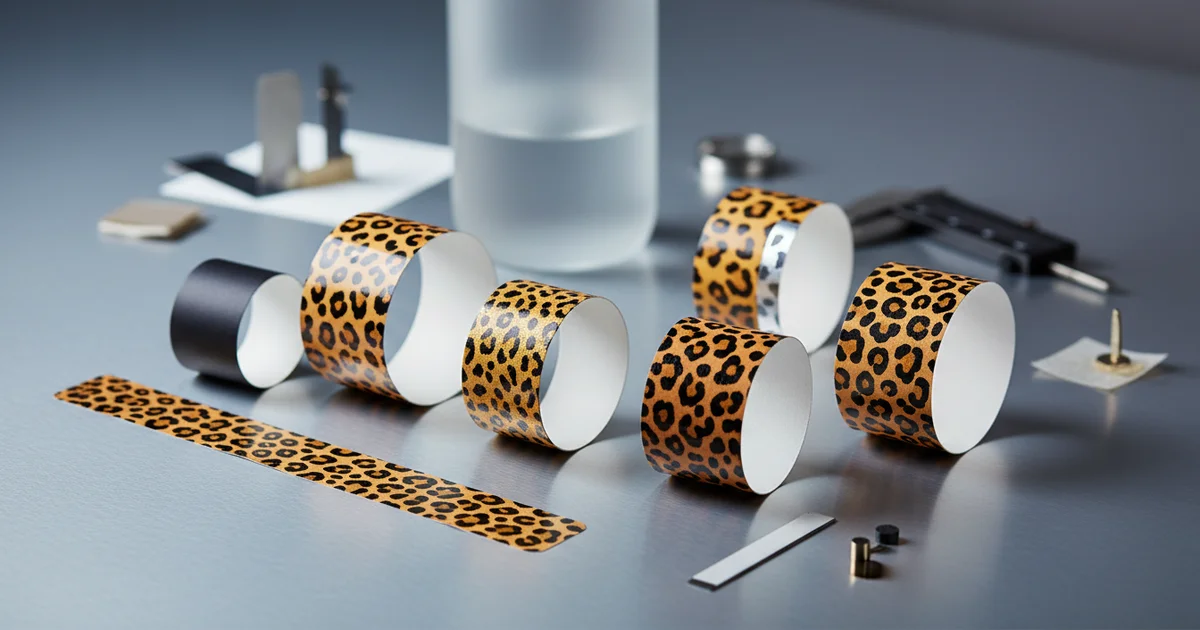
Cheetah print water bottle labels boost brand recall 40%. Key specs: 3M 300LSE adhesive, 2-mil BOPP film, 1.2-mil laminate. Offset printing saves ~40% vs digital at 5,000+ units on a Heidelberg press. Validate with 24-hr water & 7-day freeze-thaw tests.
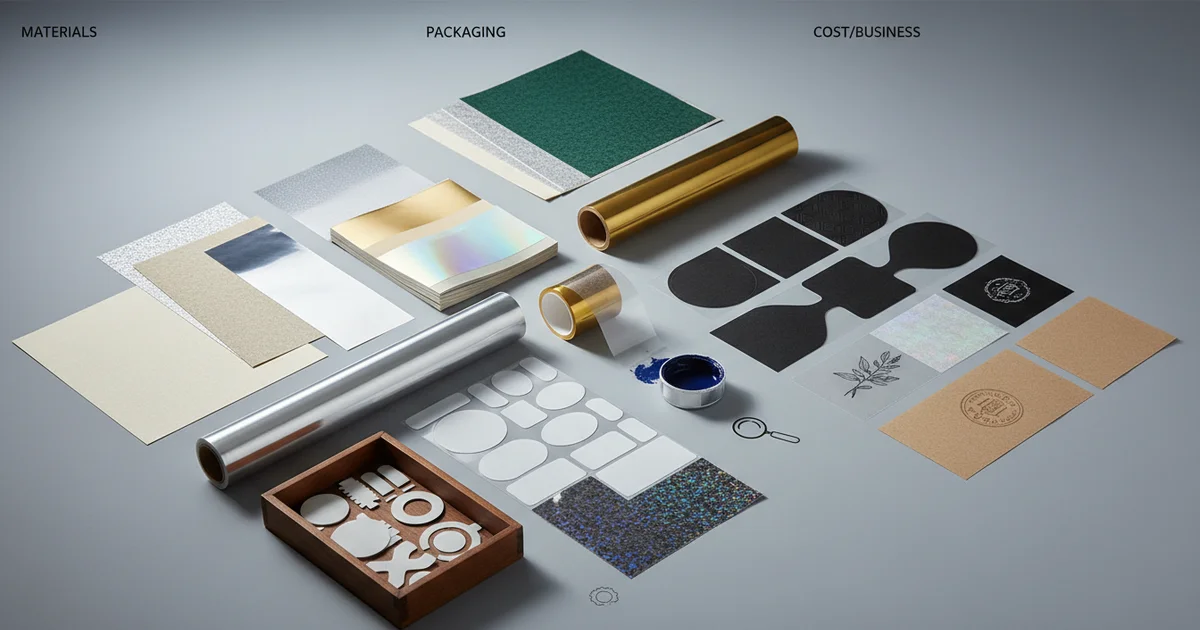
Product Label Design and Printing: The 2026 Strategic Specifier's Guide
Product label design and printing requires strategic specs: choose offset for 5k-100k units at $0.08-$0.15/label, digital under 3k units, and flexographic for 50k+ runs. Specify materials like 60gsm BOPP and adhesives like Permanent Acrylic #300 for durability.
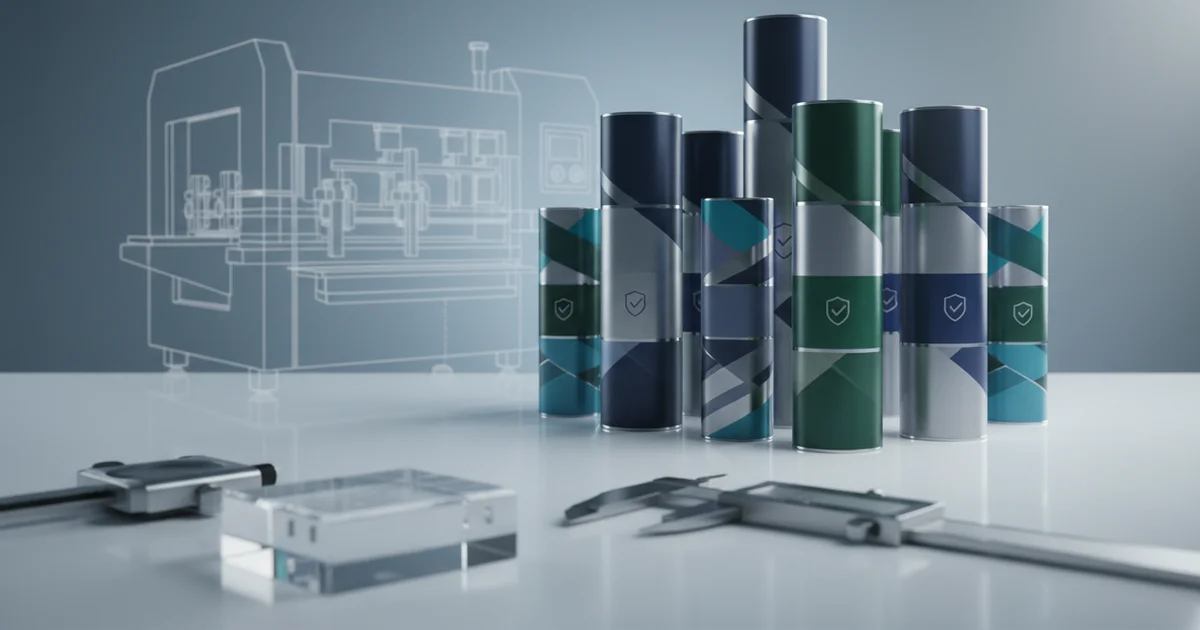
Custom Printed Sleeve Labels: The 2026 Specification Framework for Brand & Compliance
Custom printed sleeve labels fail 70% from material mismatch. Our 5-step framework uses PET film for -40°C to +120°C cold-chain, BOPP for FDA compliance, and flexo printing for 25-35% savings at 50k+ units. Includes UN3481 label specs and cost data.
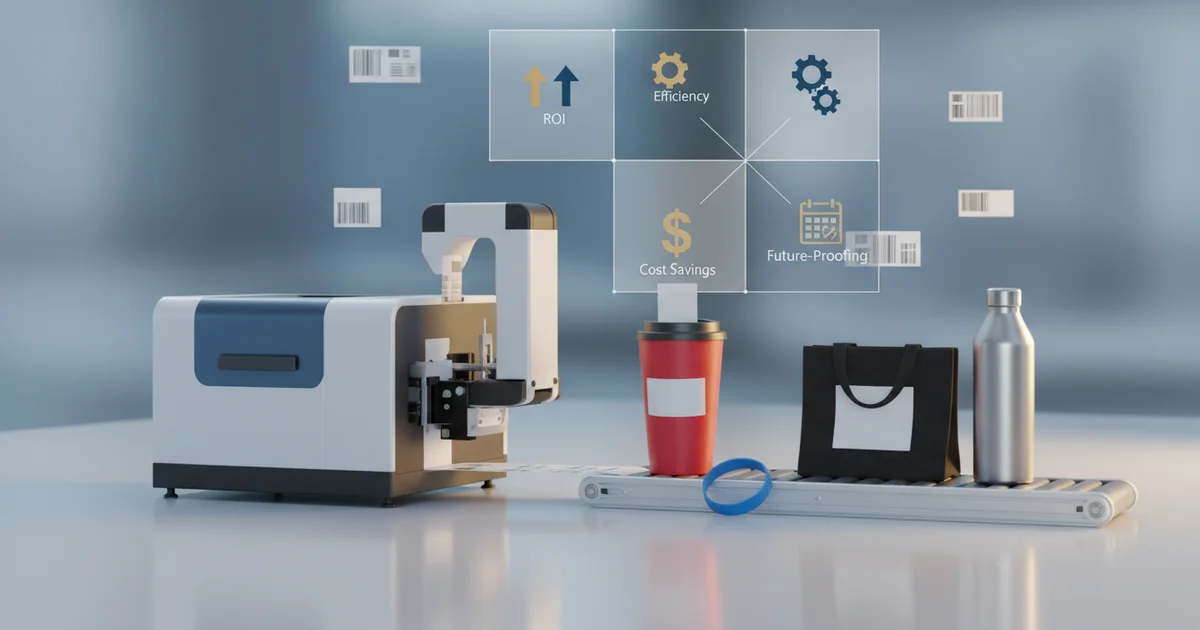
Print and Apply Labeler ROI: The 2026 Decision Matrix for Promotional Goods
A print and apply labeler breaks even at 5,000–15,000 labels per month. Below that, HP Indigo digital cuts per-label costs by eliminating plate charges.
Professionally Printed Labels: The 2026 Manufacturing Sourcing & Breakeven Framework
Professionally printed labels: Offset printing becomes cost-effective at 2,000-5,000 units, cutting costs 25-35% vs digital. Use our framework with proprietary data on Heidelberg press color accuracy (Delta E < 2.0) and breakeven analysis to source labels strategically.