Match the Material to the Surface and Use Case
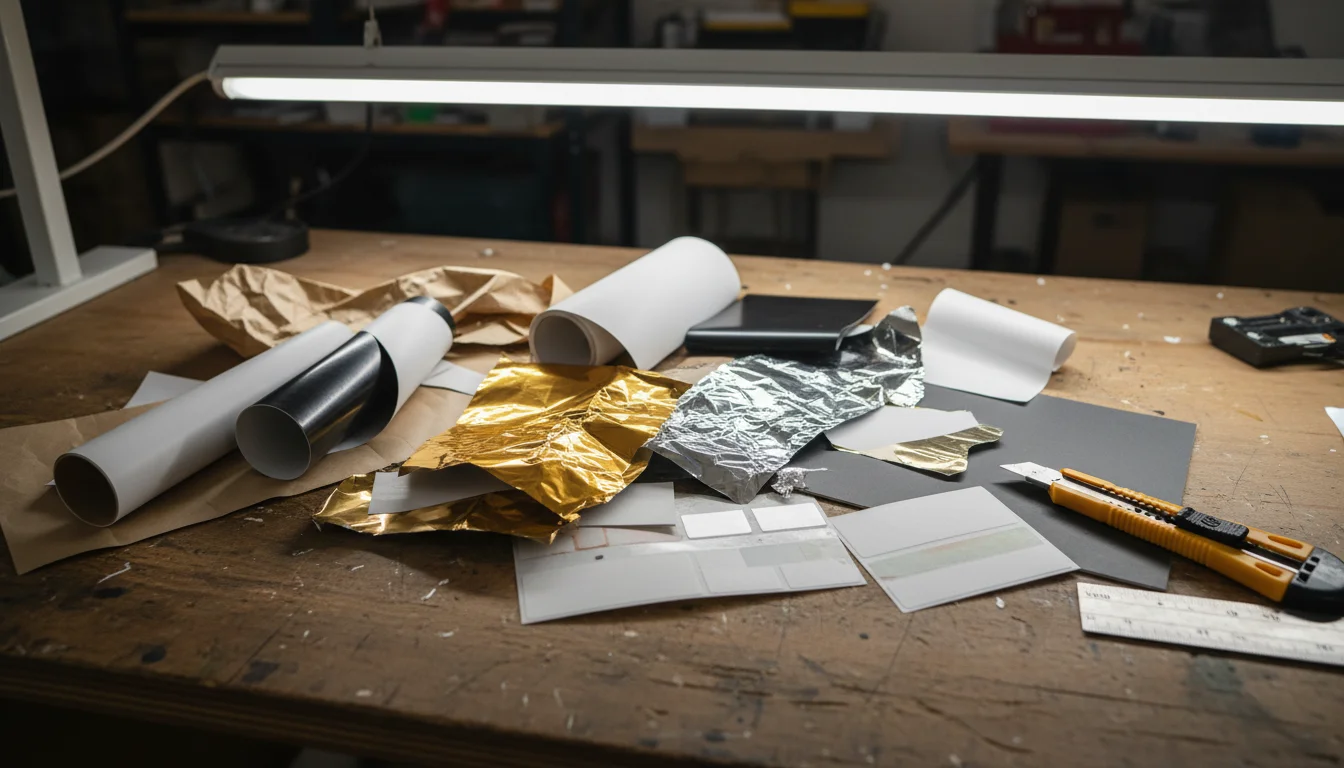
- ■MaterialsCoated paper, synthetic paper, clear film, silver film, writing paper
- ■SurfacesBottles, boxes, devices, toys
- ■FinishLamination available
- ■Wet & Oily ProductsSynthetic or film labels
Material and application review for labels and printed components, covering surface, adhesive, exposure, handling, finish, and sample requirements before production.
What Sets Our Label Materials Apart
Five Core Label Materials
Coated paper, synthetic paper, clear film, silver film and writing paper cover most bottle, box and device labels.
Material Advice
Tell us the surface, storage and handling and we suggest a material before quoting.
Custom Material Sourcing
Need something we don't usually print on? Tell us the material and we will check whether our suppliers carry it.
Application-Matched Adhesives
We match the adhesive to your surface and conditions and confirm it with the quote.
Pre-Production Material Samples
Label samples take 2–3 days, so you can test the material on your product before the run.
Technical Specifications
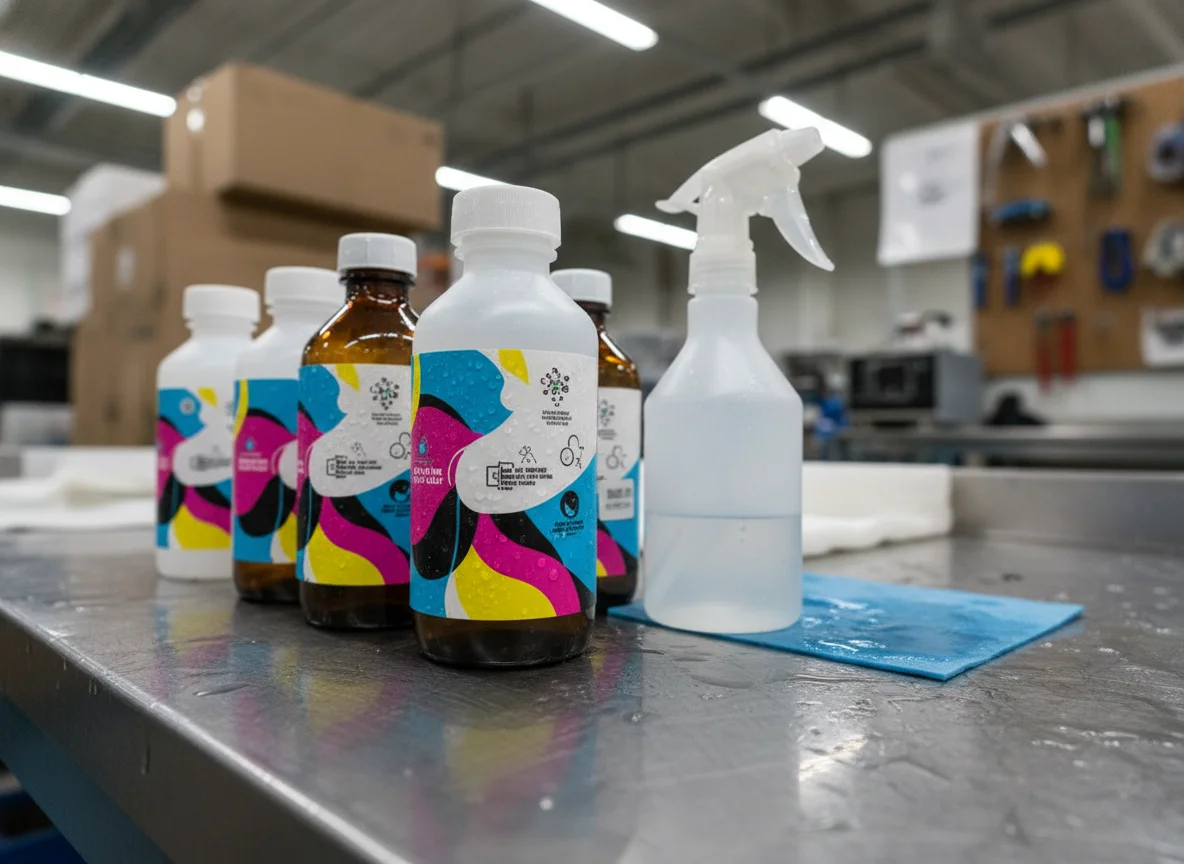
- Coated Paper
- Synthetic Paper
- Clear Film
- Silver Film
- Writing Paper
- ■Pharmaceutical bottle labels
- ■Beverage bottle labels
- ■Daily-chemical labels
- ■Waterproof product labels
- ■Electronics labels
- ■Toy labels
Frequently Asked Questions
Can I get material samples before placing a full order?
Yes. Label samples take 2–3 days, so you can test the material on your product before the production run.
What is the most durable material for outdoor applications?
For outdoor use, we recommend cast vinyl with UV-resistant lamination, rated for up to 5 years of outdoor exposure. For extreme conditions, polyester (PET) film with permanent adhesive offers superior chemical and temperature resistance.
Do you offer food-safe printing materials?
Tell us what the label touches and we will send the material information we have for your files.
Can you source materials not in your standard inventory?
Yes. Tell us the material you need and we will check whether our suppliers carry it; this can add time to the first order.
How does lamination choice affect UV fade resistance over 12-24 months outdoors?
A UV-resistant laminate blocks ultraviolet light before it reaches the ink, so colors hold longer than with UV or aqueous coating alone. Over a full outdoor season the film itself may yellow or lift before the print fades, which is why film grade matters more than ink choice. For multi-year exposure, specify a UV film and confirm its stability with your supplier.
What is the breakeven cost point between aqueous coating and protective laminate for mid-size runs?
Aqueous coating carries a lower setup and per-unit cost, so it wins on short-life indoor pieces. Laminate adds a film and a bonding step, so its cost premium is fixed per run and shrinks as volume rises. The crossover depends on your quantity, substrate, and finish; ask for both quotes at your actual run size rather than assuming one is cheaper.
How does overlamination affect chemical resistance in vinyl PVC matte lamination labels?
A matte PVC overlaminate adds a barrier that resists splashes and mild solvents, but it is not a seal against prolonged chemical immersion. For washdown or solvent wipe-down, specify a PET laminate instead. Always test the finished label against the exact chemical at its real contact time and temperature before approving a run.
What is the breakeven point for self laminating vs laminated labels at 10,000 units?
At 10,000 units, self-laminating labels usually win on total cost because they skip the second lamination pass. Separate lamination adds roughly $0.01–0.03 per unit, so the gap is small per label but compounds at volume. Choose separate lamination only when the chemical exposure truly demands the thicker protective layer.
How does ISO 12647-6 affect color consistency in flexographic printing?
ISO 12647-6 sets measurable process targets for tone value increase, ink film, and color on each substrate. The printer must document these targets and check them on press, which catches drift before a full run is wasted. It is a process control standard, not a product certification, so buyers still need lot checks.
What should you specify when ordering RFID labels to ensure material quality?
Specify lot-level read-rate testing, antenna integrity checks after die-cut and lamination, adhesive compatibility against your actual surface, and environmental cycling for temperature and humidity. These acceptance criteria should be written into the purchase order so each lot is tested, not just the first article.
Explore More Capabilities
Roll Label Printing
Self-adhesive roll labels for pharmaceutical, beverage, daily-chemical, electronics and toy products, printed, die-cut and inspected in our Shenzhen plant.
Learn more →Custom Label ShapesDie-Cut & Finishing
Die-cutting for labels in our own plant: custom shapes, kiss-cut rolls and lamination, set up with the label job.
Learn more →Industries Using Label Materials
Have files and a live production need?
Share the product, quantity, material, finish, artwork status, delivery market, or repeat-order reference you already have.