Cost Optimization Articles
58 articles in this category. Explore Custom Print Production →
Large Format Printing for B2B Buyers
Large format printing services over 36 inches require 510 gsm materials, custom die cutting with ±0.5 mm tolerance, and UL 969 compliance. Our 2026 framework, based on 500+ orders, reduces revision cycles by 34% and cuts costs 30% with volume discounts at 500+ sq ft.
Reduce Packaging Waste with Custom Retail Labels
Custom packaging retail requires a 5-step color management framework using archived ICC profiles and Heidelberg presses. Achieve 98% consistency, reduce waste 15-20%, and maintain Delta E <2.0 on 400 gsm SBS board per ISO 12647-2 standards.

Printing Cost Per Unit: Hidden Fees & Volume Savings Guide
Printing cost per unit analysis reveals 20-40% hidden fees from plate charges and setup. Offset beats digital above 1,500 units on 300 gsm FSC paper. Use formula: (Fixed + Variable × Qty) ÷ Qty. Save 35% with proper analysis.

Die Cutting: Total Cost Framework for Promotional Products
Die cutting with ±0.2mm tolerance on a Bobst system cuts costs 20-40% over 5,000 units. Our 2026 data shows 80 gsm polyester film yields 9.8/10 cut quality vs. 7.5/10 for clear BOPP, impacting promotional products manufacturing efficiency.
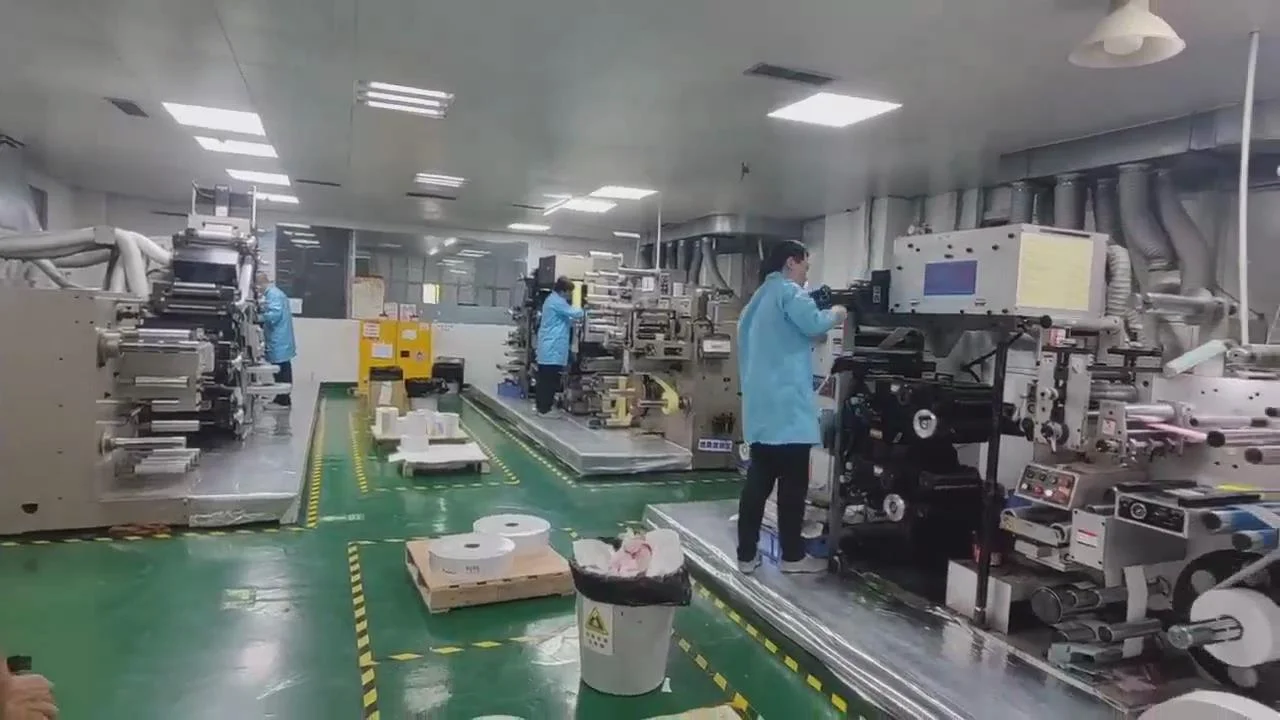
Label Printing Platform Shift: 5 Trends Reshaping 2026
Label printing platform shift: 5 trends for 2026 include artwork bleed zones, thermal vs laser selection, printer creep calibration, integrated software, and single-source partners to cut reprints 30% and TCO 22%.

Government Printing Compliance: Reduce Audit Risk by 60%
Government printing reduces audit risk 60% with ISO 9001. Electronics packaging requires IPC-A-610 ESD-safe materials cutting damage 75%. Cosmetic packaging needs FDA 21 CFR 174-178 compliance. White label breakeven is 10,000 units. Consumer goods labels mandate ADA braille at 1.5mm dot height.

Slash Food & Beverage Label Costs Today
Food beverage labels: reduce costs 25% by specifying freezer-grade adhesive (cuts cold failures 70%) and polypropylene film (18-month lifespan). Digital printing under 5,000 units costs $85/1k with 3-day lead time. Ensure FDA 21 CFR Part 101 compliance to avoid $50k fines.
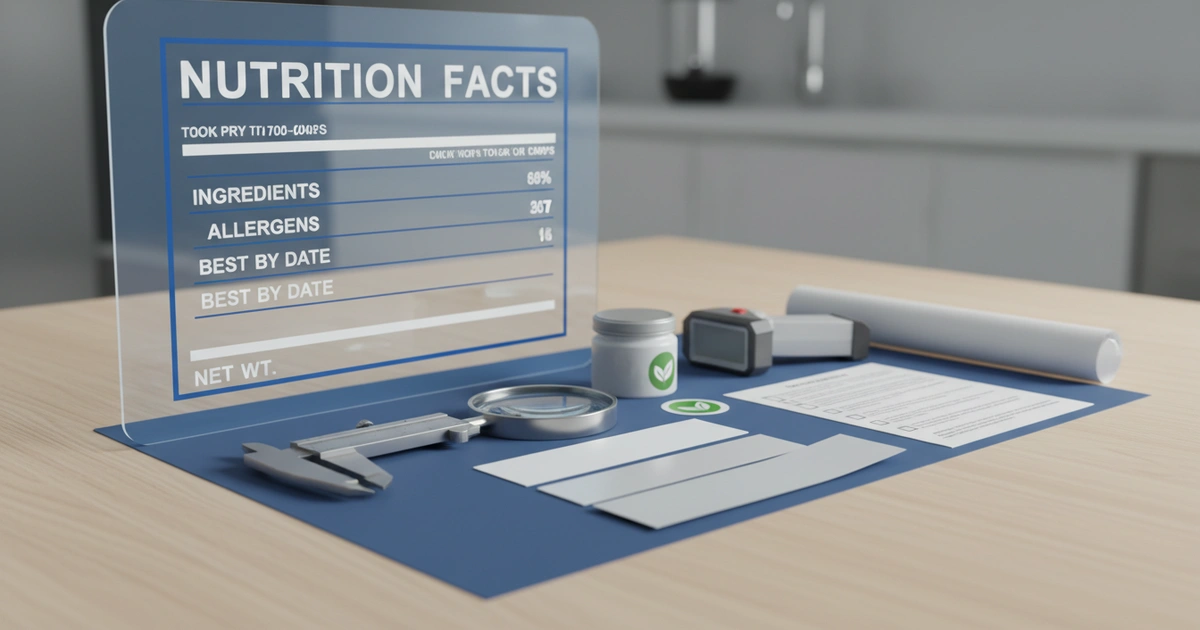
Food Label Template: Cost & Compliance Fixes
Food label sticker template costs $0.03–$0.12 per label for BOPP at 10,000 units. FDA compliance failures hit 34% for nutrition facts format. Use JinXinCai's checklist to avoid $10M recall costs.
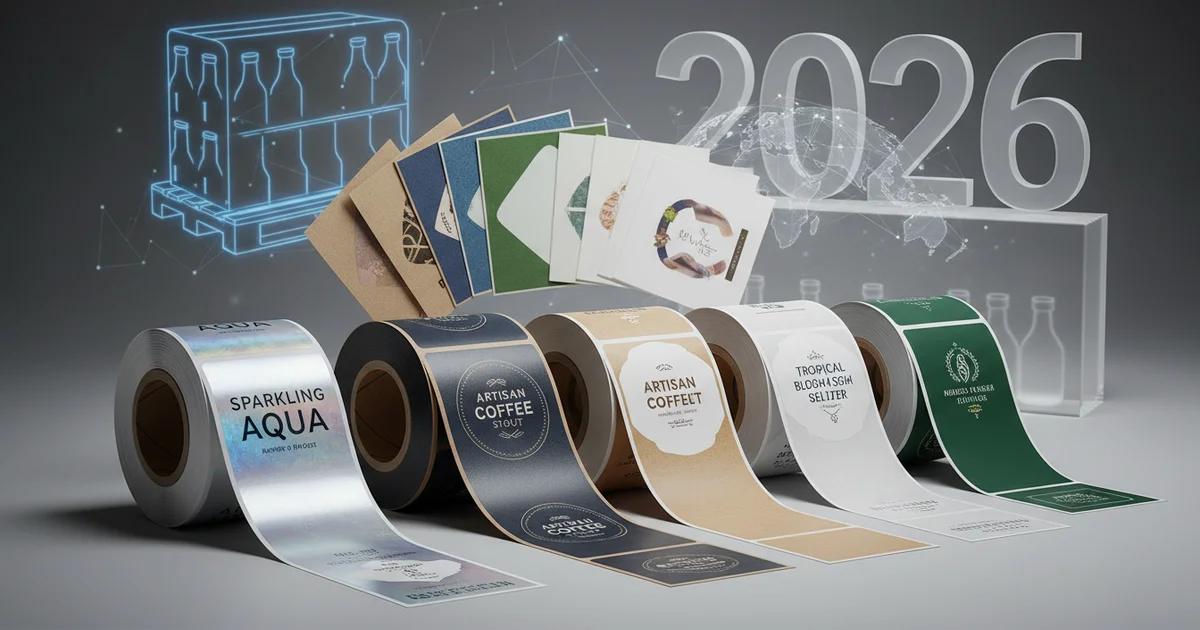
Beverage Label Cost Comparison: Hidden Costs That Add 30-50%
Beverage label cost comparison: BOPP on Heidelberg press at 300 dpi reduces adhesive failure below 0.5%. Digital vs flexo breakeven at 3,000-5,000 units. Setup fees $0-$500. Hidden costs add 30-50%.
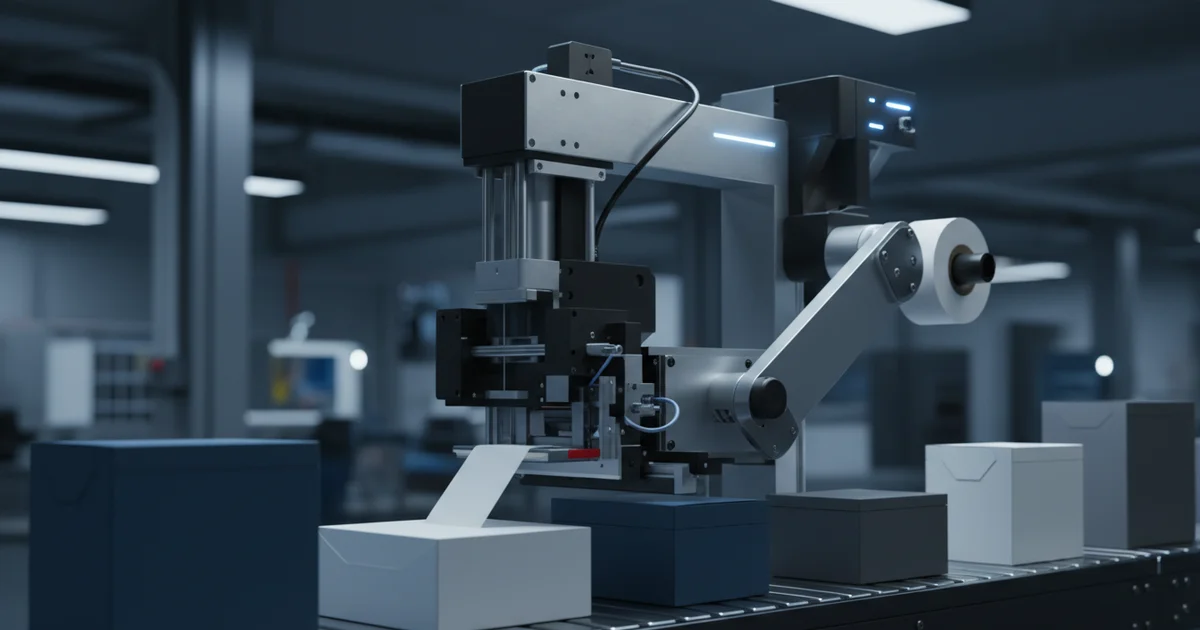
Print Apply Cost Analysis: Save 40% on Labeling Operations
Print apply cost analysis: buy price is 25% of 3-year TCO. Hidden costs add 40%: $5,500 installation, $12,700 maintenance, $7,200 label waste, $60,000 downtime for mid-range system at 50,000 labels/month.
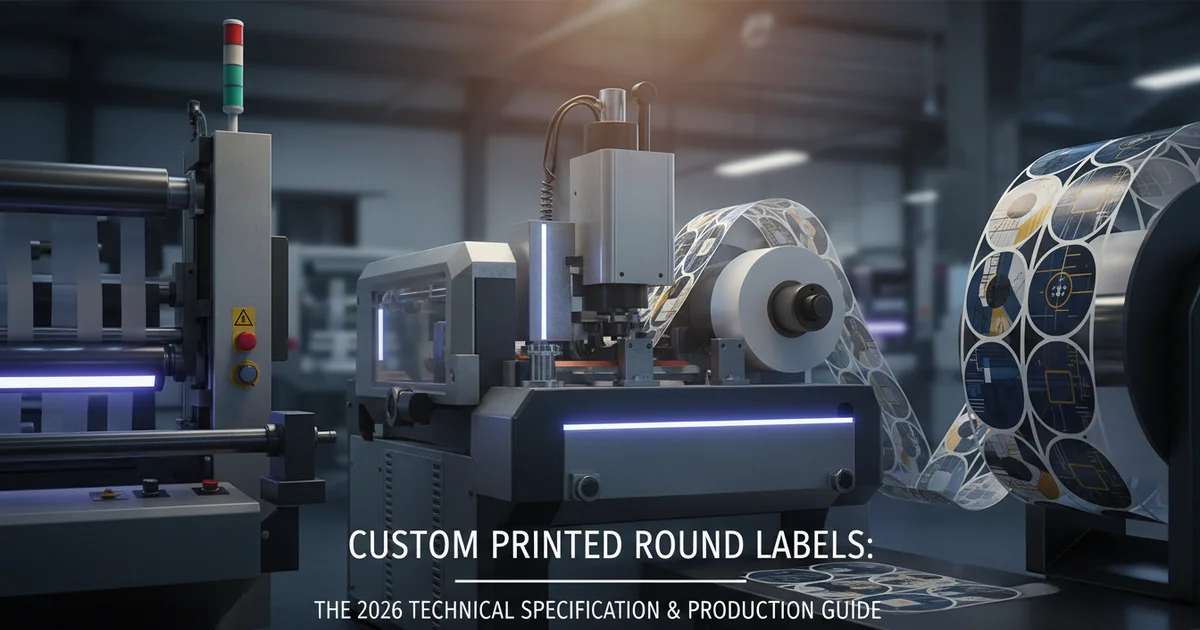
Round Label Cost: Why Shape Changes Pricing
Round label cost analysis includes die tooling ($250-500), setup fees ($150-300), and 8-12% material waste. Compare paper ($0.02-0.05), vinyl ($0.05-0.10), and polyester ($0.08-0.15) with Delta E <2.0 color accuracy on Heidelberg presses for bulk savings.
Custom Printing: Where Your Budget Leaks
Custom printing cost analysis in 2026: AI optimization reduces quote variance 40%, dynamic scheduling cuts turnaround 35% on Heidelberg presses, and modular finishing lowers MOQs 40% for spot UV. Achieve Delta E <2.0 color consistency with Pantone LIVE certification.