Industry Guides Articles
17 articles in this category. Explore Custom Print Production →
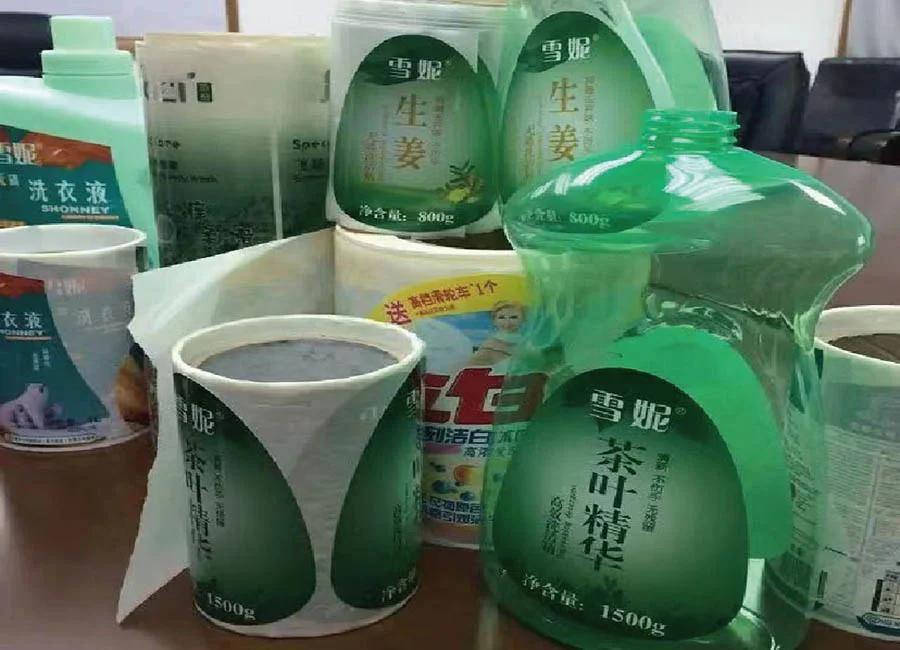
Pet Food Compliance Checklist 2026: 5 Trends Reshaping Safety
Pet food compliance checklist 2026: digital proofing cuts approval from 45 to 7 days; FDA 21 CFR 174-178 C1S board; batch coding per SQF Edition 9 reduces recall scope 50%.
Pet Food Packaging Compliance: 5 Trends Reshaping 2026
Pet food packaging compliance in 2026: digital printing, AAFCO/FDA convergence, sustainable material validation, CRP testing, and batch coding for traceability.
Free Print Template Selection: Hidden Costs & Strategic Choices
Free print template selection adds 20-40% in hidden costs from pre-press rework. Key specs: 3mm bleed, 300 DPI, CMYK color mode. Breakeven: 3,000 units. Use templates for runs under 3,000 on HP Indigo; custom design for over 5,000 on Heidelberg presses.
Australia Post Label Printing Costs 2026: Beyond Basic Shipping
Australia Post label printing costs in 2026 shift to integrated compliance manufacturing. For 10,000 units, integrated workflows cut costs 23% to $1,420, reduce lead times to 12 days, and ensure Delta E <2.0 color accuracy on Heidelberg presses with 300 gsm synthetic substrates.
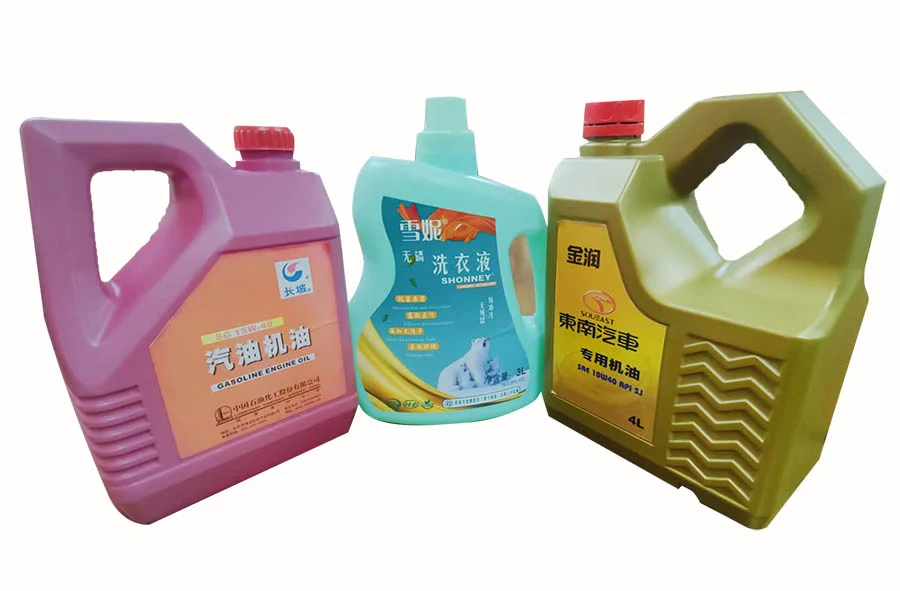
FDA Traceability Packaging Compliance: Essential Proof Requirements
FDA traceability packaging compliance requires ISO 22000 certification, Heidelberg press precision with Delta E < 2.0, and 99.5% barcode scannability. Our 2026 data shows certified suppliers cut defect rates by 40% and prevent $250,000 recalls, with costs 15-25% higher but ROI in 3 years.
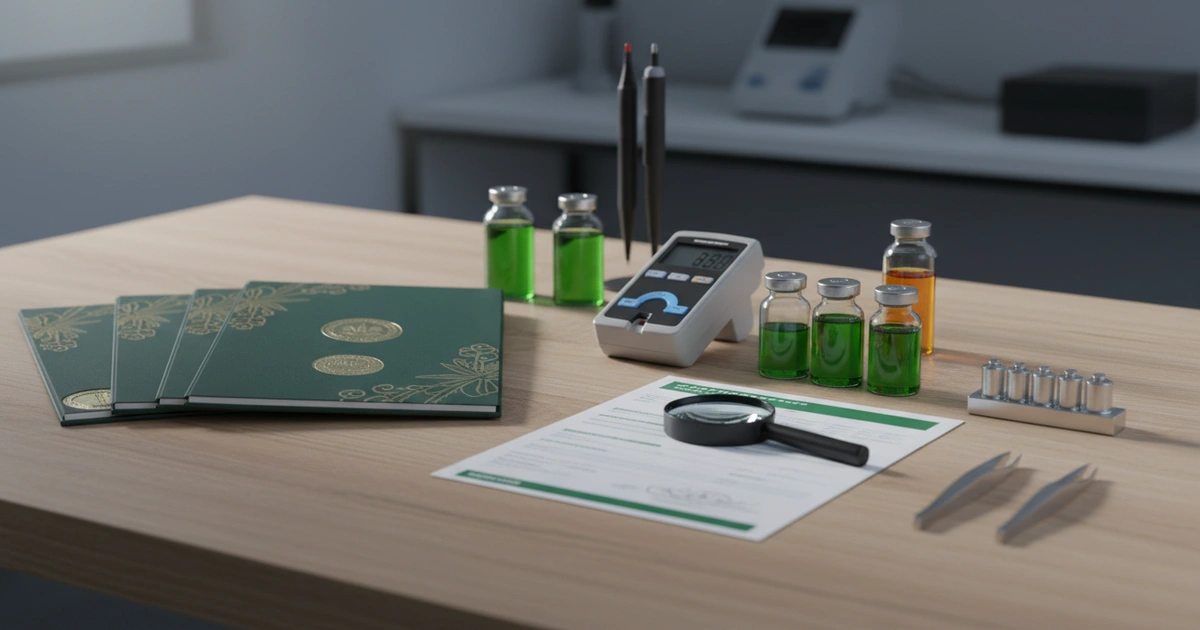
Cannabis Compliance Checklist for Print
Cannabis Industry Compliance requires pharmaceutical-grade labeling with ±0.5mm print tolerance, 100% barcode scanability, and FDA 21 CFR 174-178 compliant inks on 300 gsm PET film. Our data shows 80% fewer audit failures and recall rates drop from 2.3% to 0.4%.
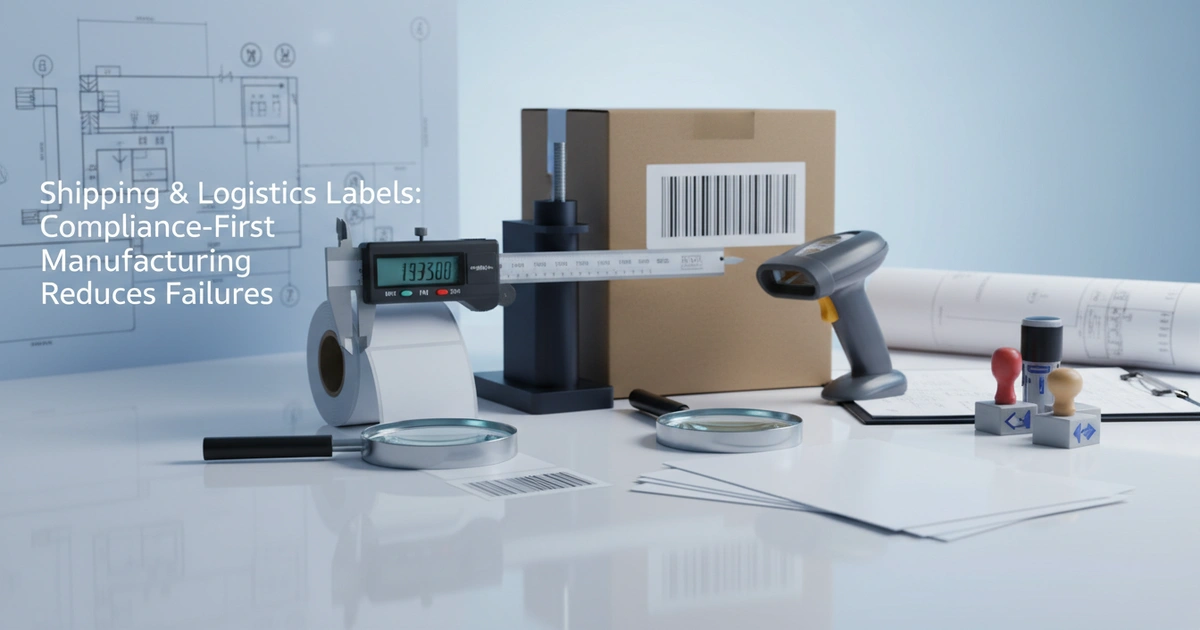
Avoid These Shipping Label Mistakes
Shipping & logistics labels fail 40% due to material mismatches. In-house production with BOPP synthetics, FDA compliance, and ISO 15394 standards cuts failures to 2%, saving 18-34% on costs. Use 120 gsm materials and 300 dpi printing for 99.8% scan rates.
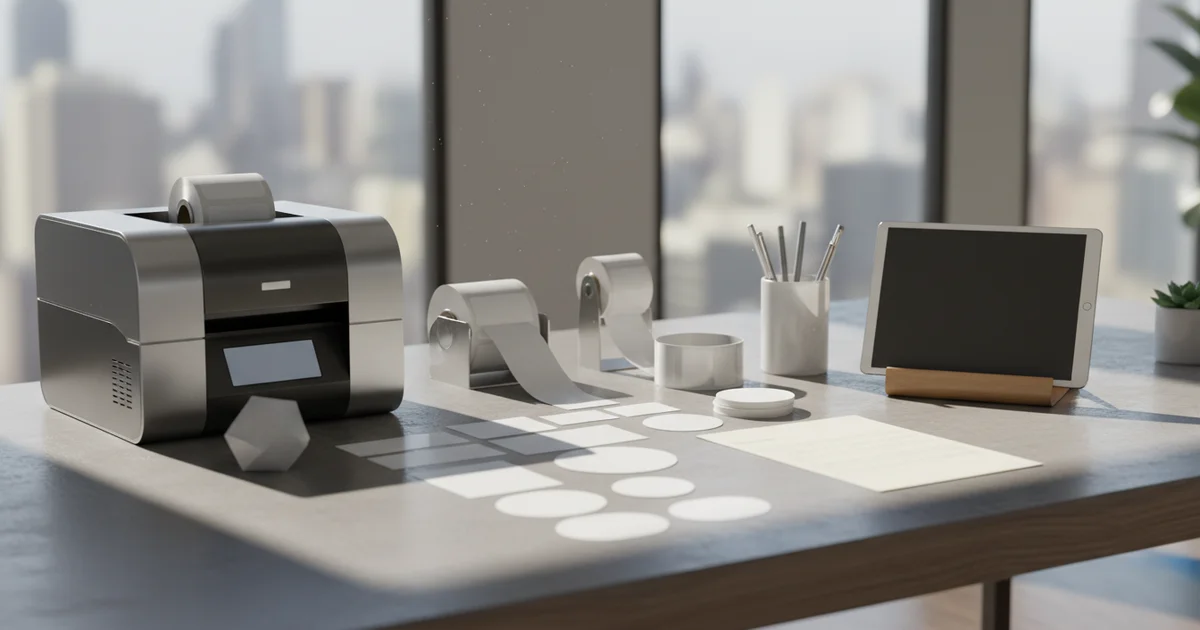
Pro Label Inc: Smarter Label Sourcing for B2B Buyers
Use a 10-point checklist to verify FDA 21 CFR compliance, Delta E ≤ 2.0 color consistency, and MOQ fit before committing to a label supplier.
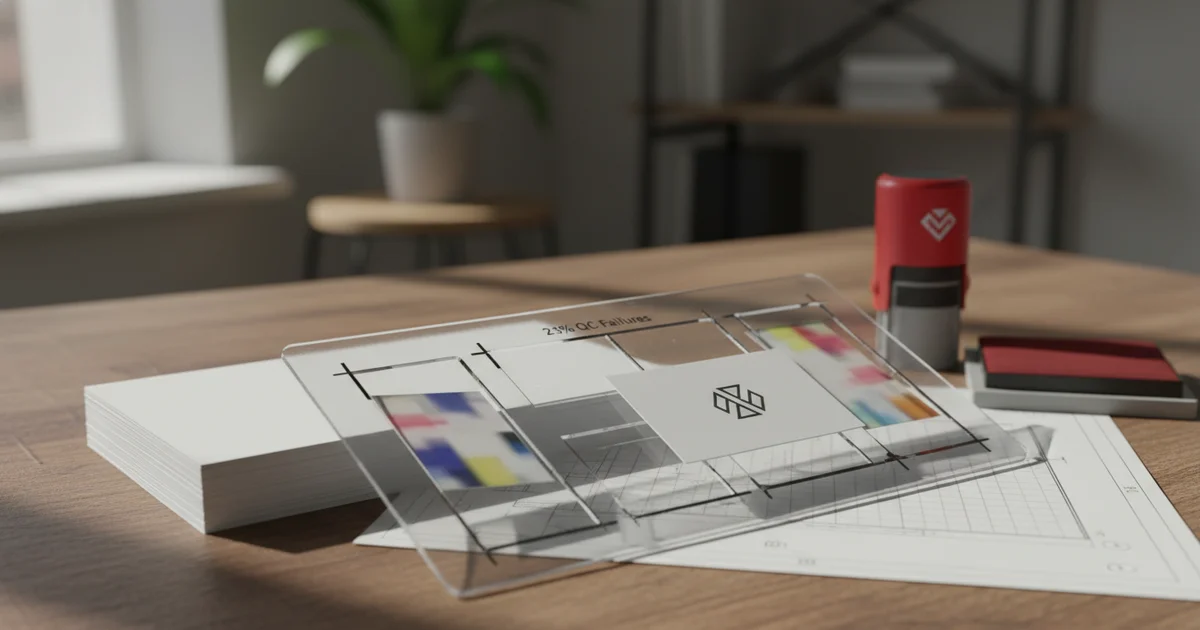
Printing Template for Business Cards: Eliminate 23% QC Failures
A printing template for business cards requires 0.125" bleed, 300 DPI, and CMYK to cut 23% QC failures and $1,200 reprints. Plastic cards need 0.25" bleed for 98% yield, while offset printing demands ΔE <2.0 color tolerance on a Heidelberg press.

Private Label Candles: The 2026 Compliance-First Production Framework
Launch private label candles compliantly by integrating ASTM F2417 standards from concept. Premium adhesive labels (like Avery Dennison Fasson® film) cut failure rates to <1%. Full-service partners reduce a 3-week DIY timeline to 5 days, preventing 6-week delays from label rework.
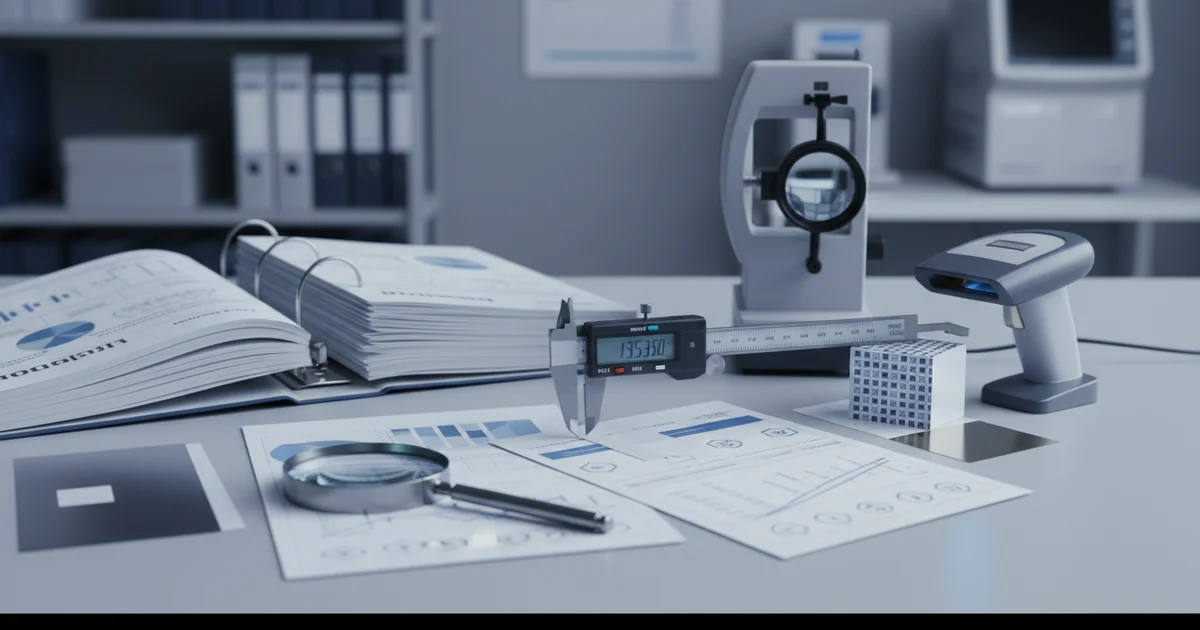
Cosmetic Labels: The 2026 Compliance-First Production Framework
Cosmetic labels require FDA/EU compliance, material choice (BOPP film vs. paper), and strategic printing. The breakeven between digital quick print and Heidelberg offset is 5,000 units. Foil stamping needs a 2,500-unit MOQ, while permanent acrylic adhesives require 10–15 N/25mm peel strength.
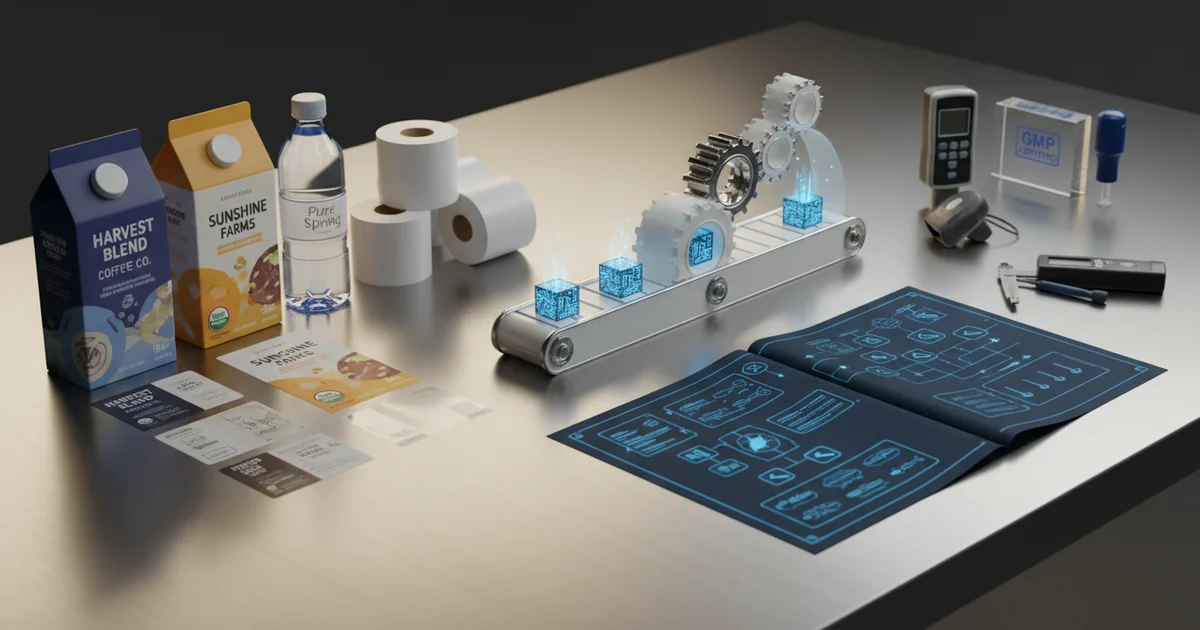
Food and Beverage Label Printing: The 2026 Supply Chain & Compliance Blueprint
Integrate food and beverage label printing with white label business card production on a unified press fleet to cut lead times 40%. For runs over 25,000 units, flexographic printing on BOPP film is 18-25% cheaper than digital. Ensure FDA 21 CFR compliance and require ASTM D870 immersion tests.