
David Chen
Technical Director, Print Engineering
15+ years in commercial print production. Expert in Heidelberg press operations, color management, and high-volume offset/digital hybrid workflows.
Articles — Page 4
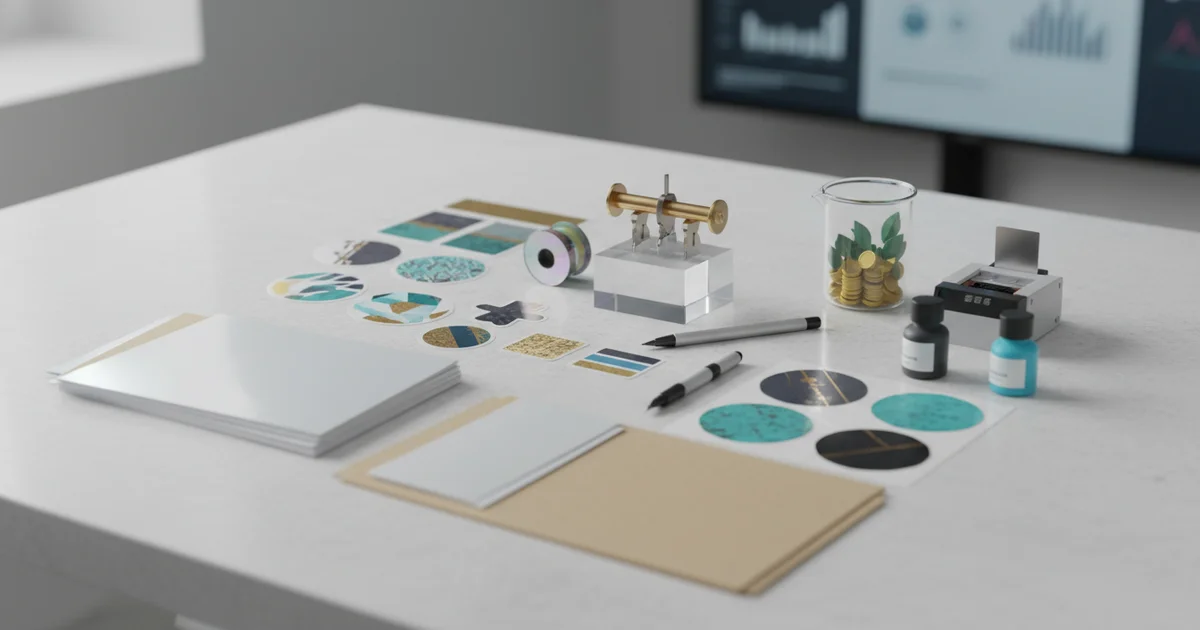
Custom Printable Stickers: The 2026 Strategic Specifier's Guide to Total Cost
Custom printable stickers: Industrial production (e.g., Heidelberg 6-Color Press) yields 25-35% lower cost vs. Vistaprint for 5,000+ units. Use 3mil vinyl for waterproof stickers; custom die-cuts (e.g., circles) break even at 2,500-5,000 units with a $200-$500 tooling fee.

Private Label Candles: The 2026 Compliance-First Production Framework
Launch private label candles compliantly by integrating ASTM F2417 standards from concept. Premium adhesive labels (like Avery Dennison Fasson® film) cut failure rates to <1%. Full-service partners reduce a 3-week DIY timeline to 5 days, preventing 6-week delays from label rework.
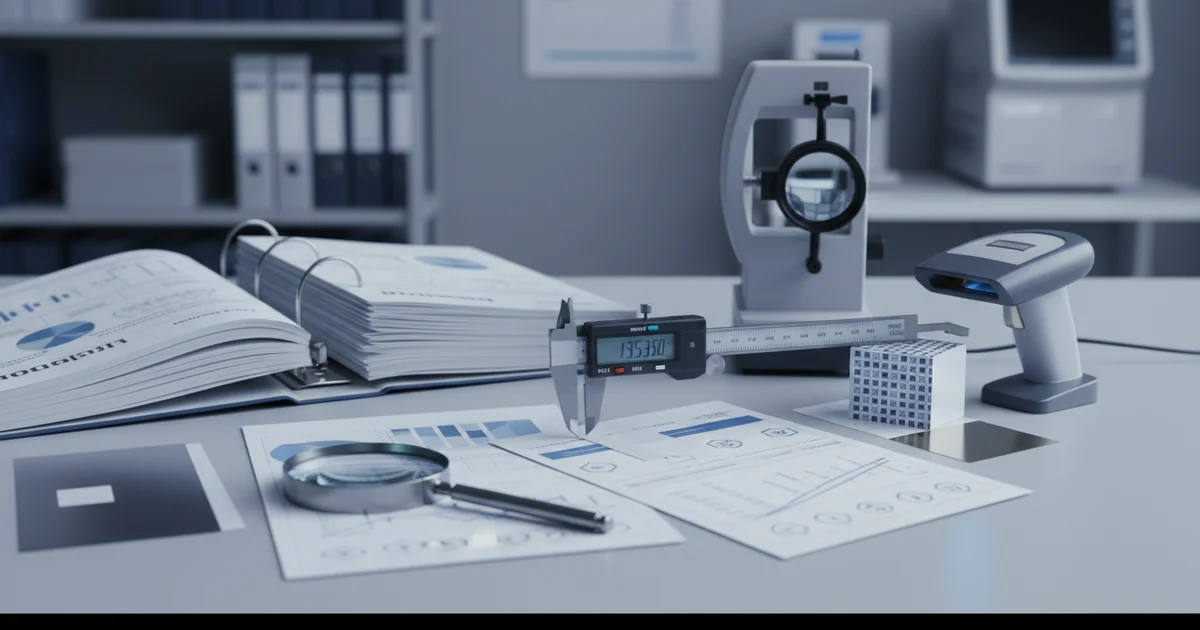
Cosmetic Labels: The 2026 Compliance-First Production Framework
Cosmetic labels require FDA/EU compliance, material choice (BOPP film vs. paper), and strategic printing. The breakeven between digital quick print and Heidelberg offset is 5,000 units. Foil stamping needs a 2,500-unit MOQ, while permanent acrylic adhesives require 10–15 N/25mm peel strength.
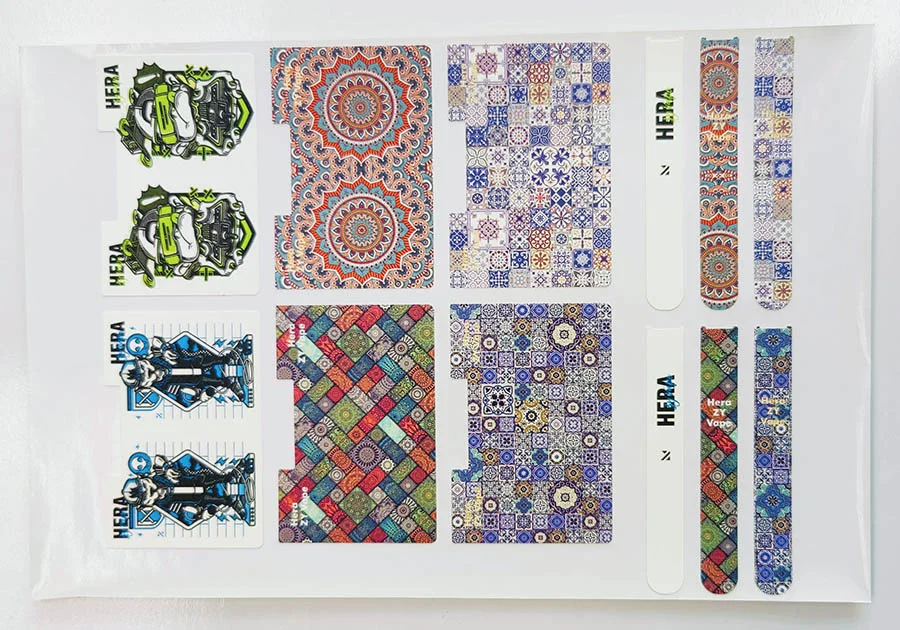
Inkjet vs Offset Book Printing Cost Analysis: A 2026 Implementation Guide
Our analysis of 500+ book projects reveals the precise breakeven point where inkjet becomes more cost-effective than offset, with actionable frameworks for your 2026 production strategy.
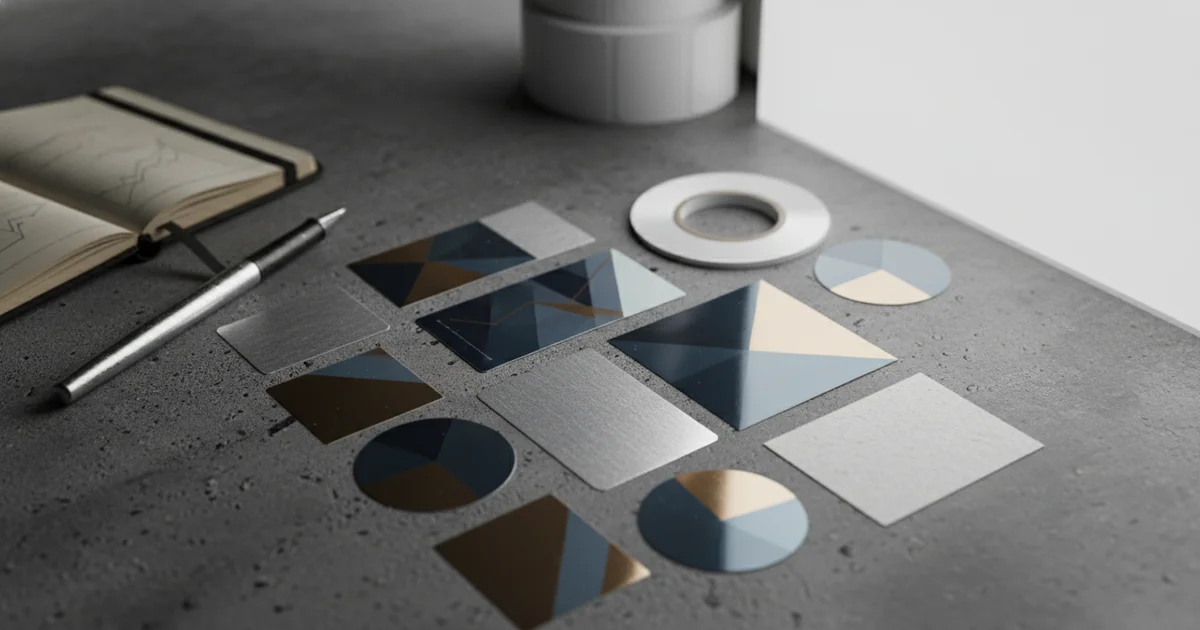
Premium Label Stickers: 60% Lower 3-Year TCO Despite Higher Initial Cost
Premium label stickers cost 40-60% more upfront but yield 60% lower 3-year TCO. GMP-compliant production with BOPP film reduces defects to 0.01%, avoiding $50,000 fines per 100k units. Breakeven is 2,000 units where professional materials outperform budget options.
Private Label Manufacturers: How to Vet & Choose
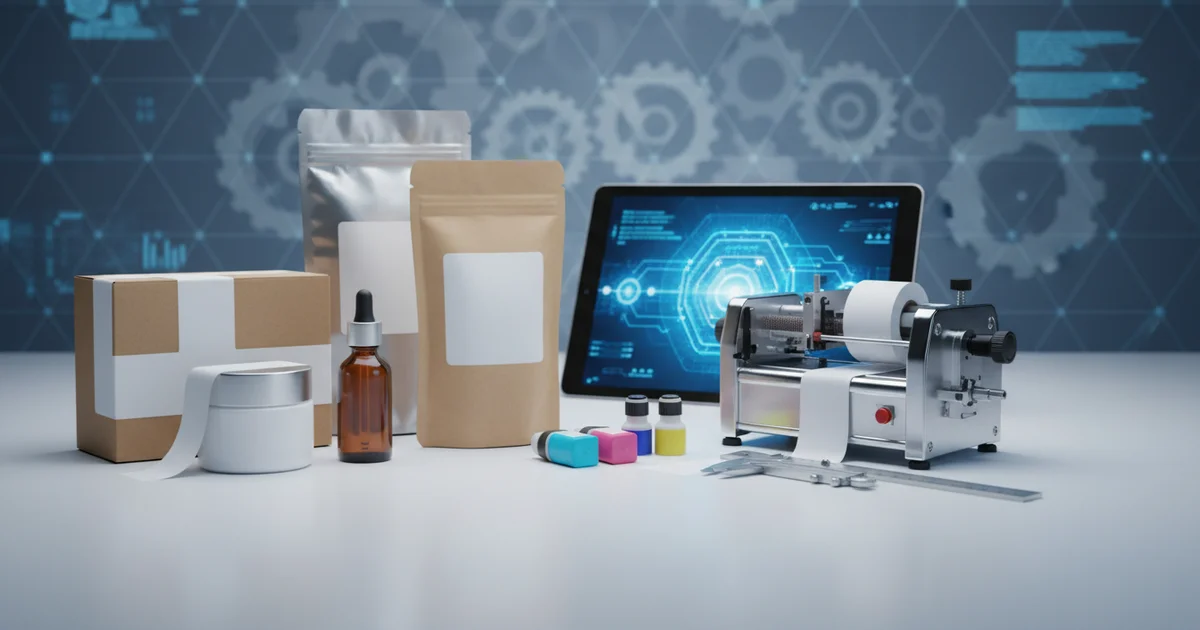
Learn how to vet private label manufacturers for skin care: choose ISO 22716-certified suppliers with in-house printing and defect rates below 0.8%.

LED Display Panel Overlay: The 2026 Engineering Specifier's Guide
Specify a polycarbonate LED display panel overlay with a UV-curable hard coat for >92% light transmission. Use screen printing for IP67 seals with 8-12 micron ink dams and permanent acrylic adhesives like 3M 467MP for thermal cycling from -40°C to 85°C.

Digital Printing Cost Per Unit in 2026: The New TCO Equation
Digital printing cost per unit on HP Indigo ranges $0.03-$0.07 per sheet on 300gsm C1S. Breakeven vs offset is 3k-8k units, but TCO factors like <5% spoilage and 3-5 day lead time favor digital for runs under 8,000.
Custom Folding Carton Minimum Order Quantity Comparison: A 2026 Decision Framework
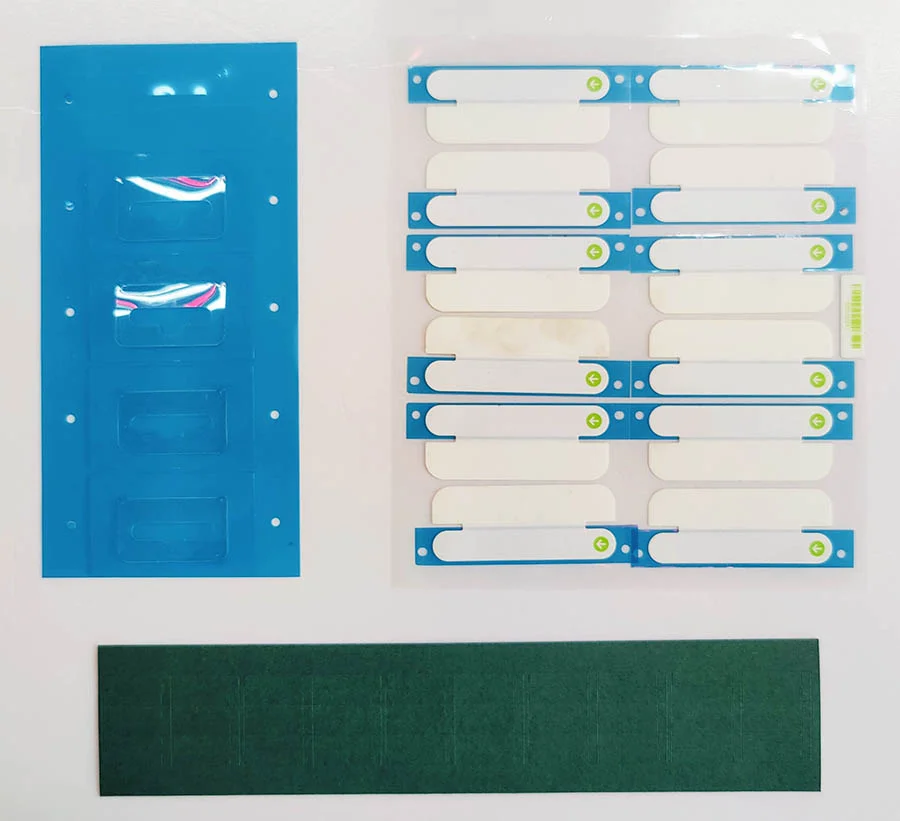
A detailed cost breakdown reveals how to strategically select printing processes and specifications to achieve professional-quality custom folding cartons at quantities as low as 500 units.
DSCSA Compliant Pharmaceutical Packaging Requirements: A 2026 Implementation Guide
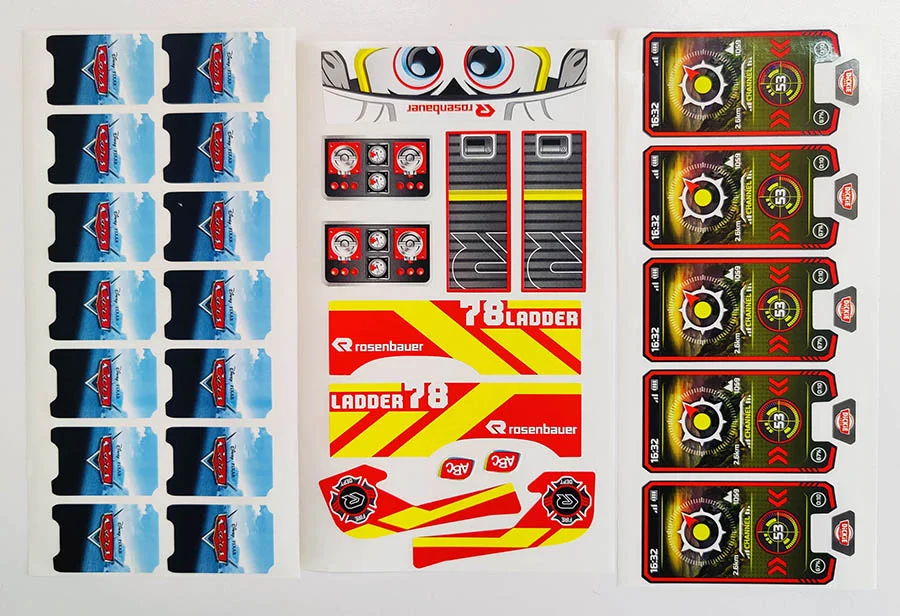
This guide provides a step-by-step framework for implementing DSCSA packaging serialization, including material selection, printing trade-offs, and cost analysis for runs from 500 to 500,000 units.
Supply Chain Integration: The 2026 Labeling Strategy for Logistics
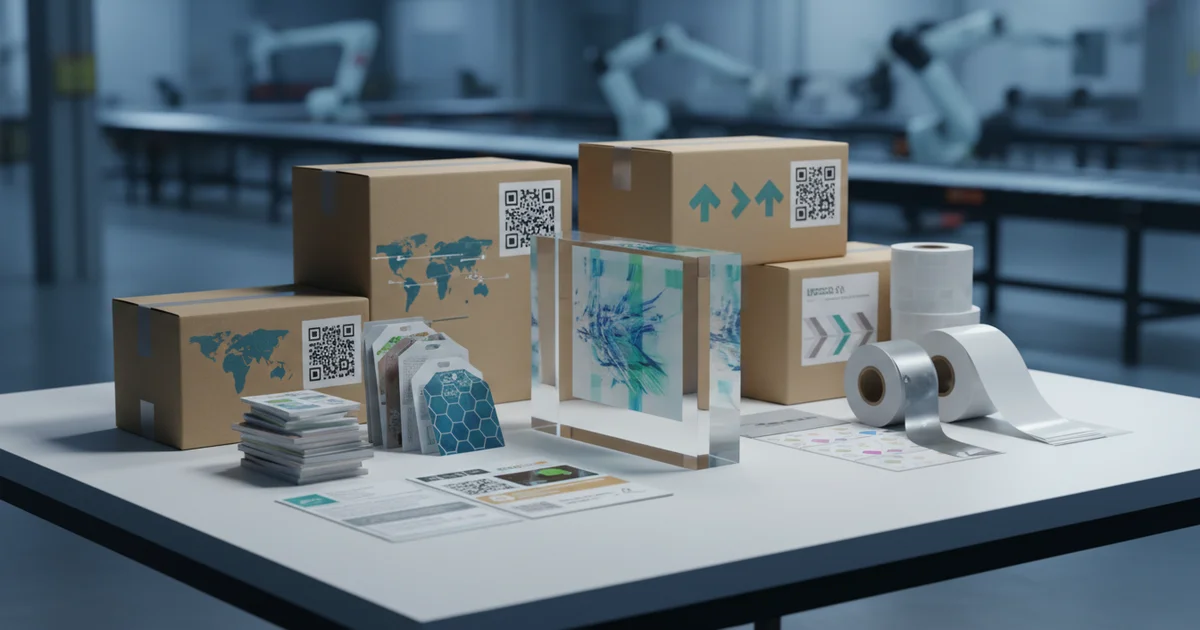
Supply chain integration in 2026 hinges on dynamic labeling. Shift from generic wholesale printing to WMS-integrated label roll printing. Achieve <0.5% error rates with serialized GS1-128 barcodes on engineered materials like 2-mil PET, cutting compliance failures by 60% and mis-shipments by 25%.
Flexographic Printing Color Consistency: A 2026 Quality Control Implementation Guide
Achieving Delta E < 2.0 in flexographic print runs requires a 5-point specification checklist and precise CTV measurement. This guide provides the actionable framework.