Tips & Guides Articles
127 articles in this category. Explore Custom Print Production →
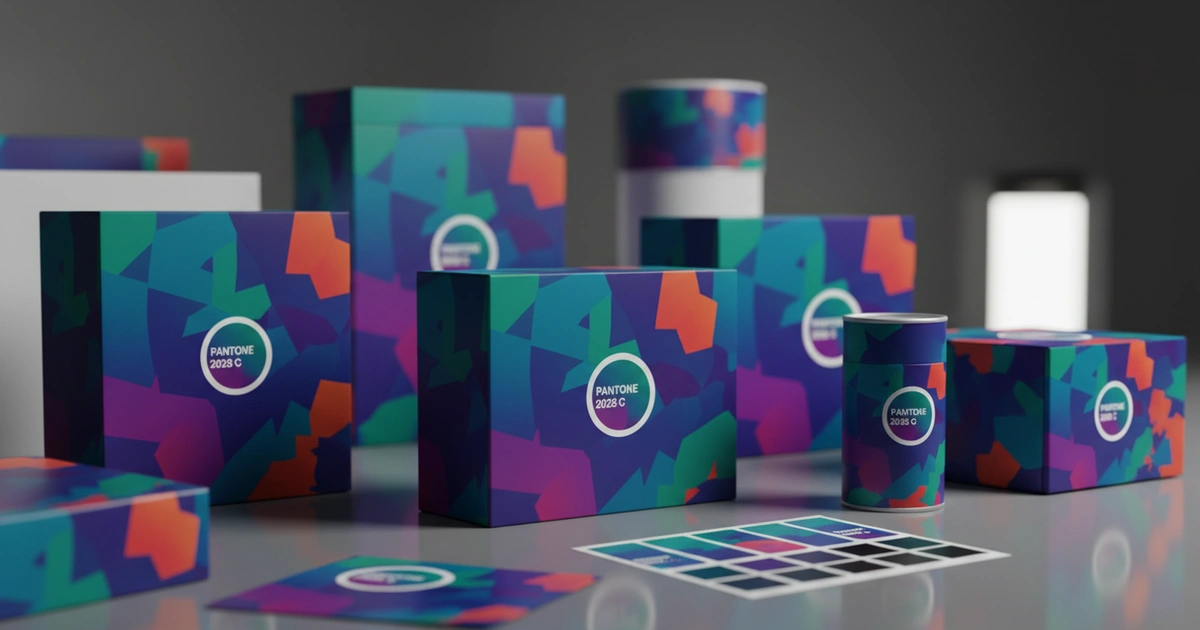
Choosing a Custom Packaging Manufacturer
Vet custom printed packaging manufacturers for Delta E <2.0 color accuracy on Heidelberg presses, FDA 21 CFR compliance for food packaging, and 5,000-unit MOQs for offset printing. Use our 7-point checklist to reduce waste by 30% and ensure brand consistency in 2026.
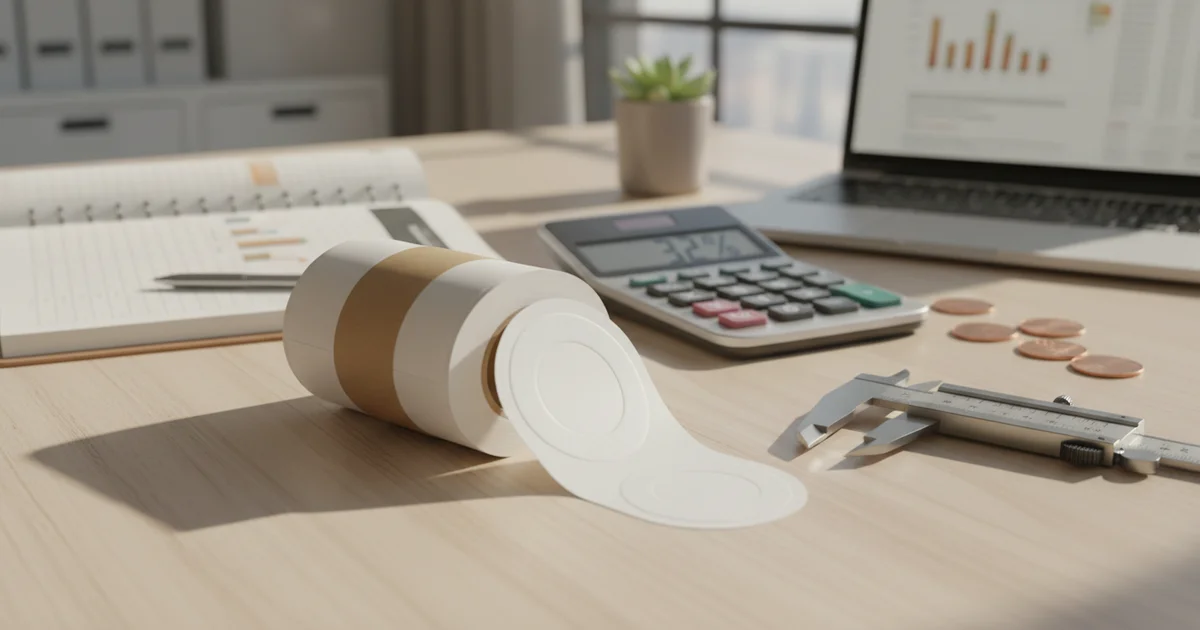
Round Sticker Bulk Pricing: Avoid 40% Overpay with 10-Point Checklist
Round sticker bulk pricing drops 25-35% from 5K to 50K units. Use 300 gsm cast vinyl with 2 mil laminate for 5-year durability, Delta E < 2.0 color accuracy, and ±0.2mm die-cut precision. Verified ISO 9001 suppliers reduce defects to 0.7%.
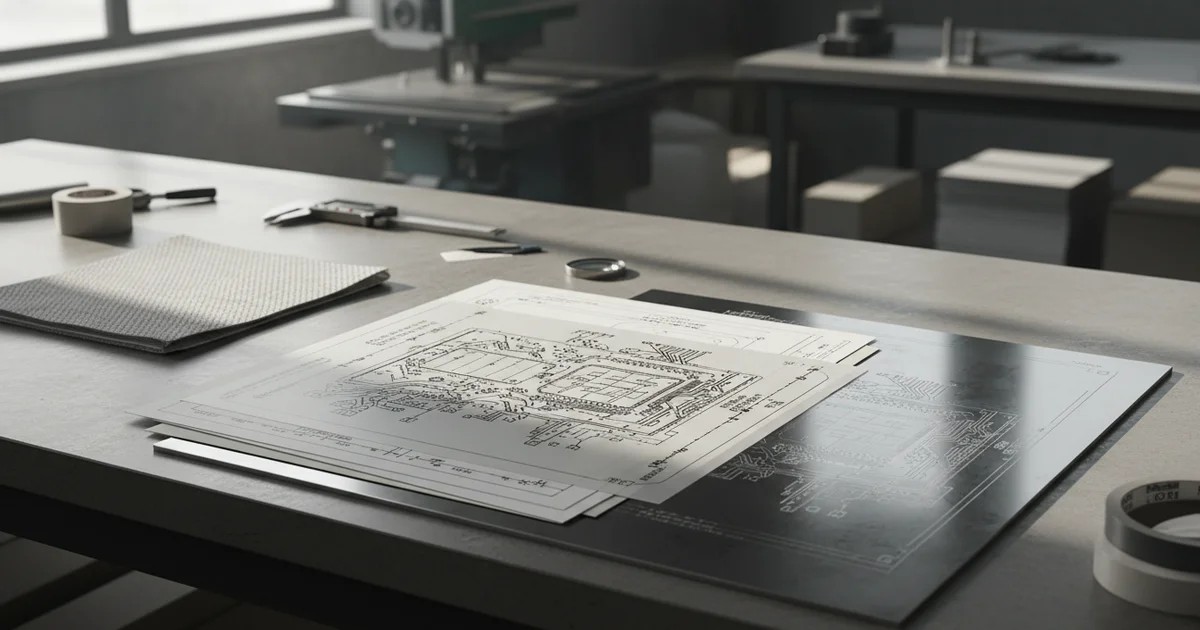
Print Template Cost Comparison: Avoid Hidden Fees
A print template cost comparison reveals templates cost 15-40% less upfront, but hidden fees like FDA testing and Pantone verification can erode savings. Custom offset becomes cheaper above 3,000 unit
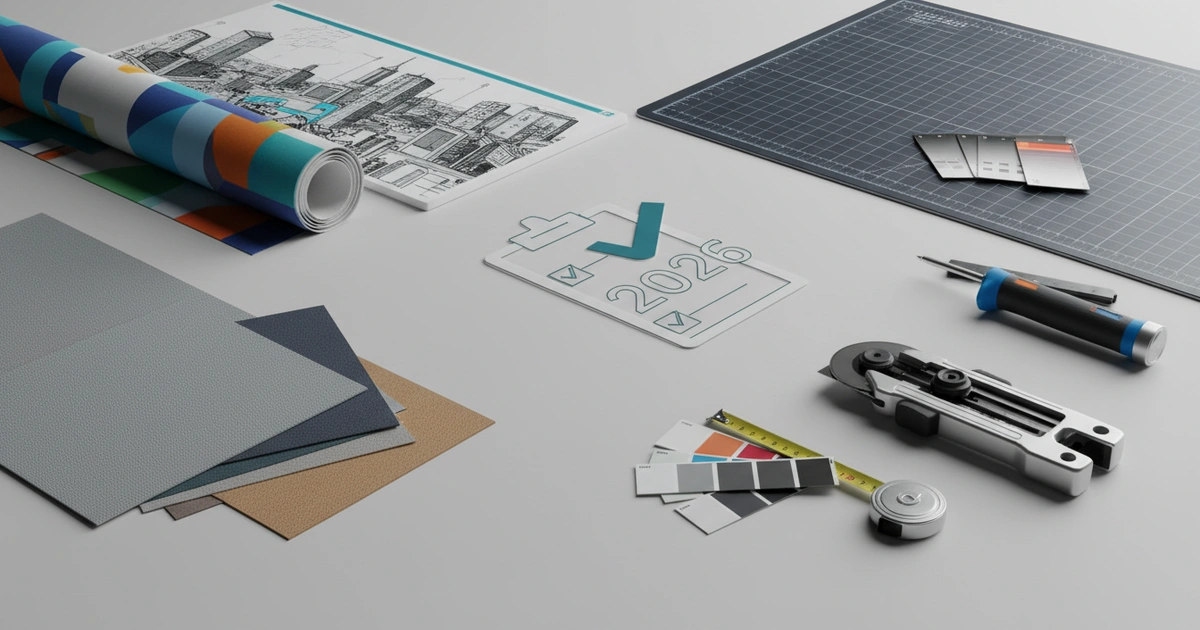
Large Format Printing Near Me: 2026 Procurement Checklist Guide
Large format printing near me requires 3-5 day delivery, 100-micron cast vinyl for trade show graphics, and 18 oz. reinforced vinyl for outdoor banners. Avoid 30% reprint costs with proper file prep and verify ISO 12647-2 standards for quality assurance in 2026.
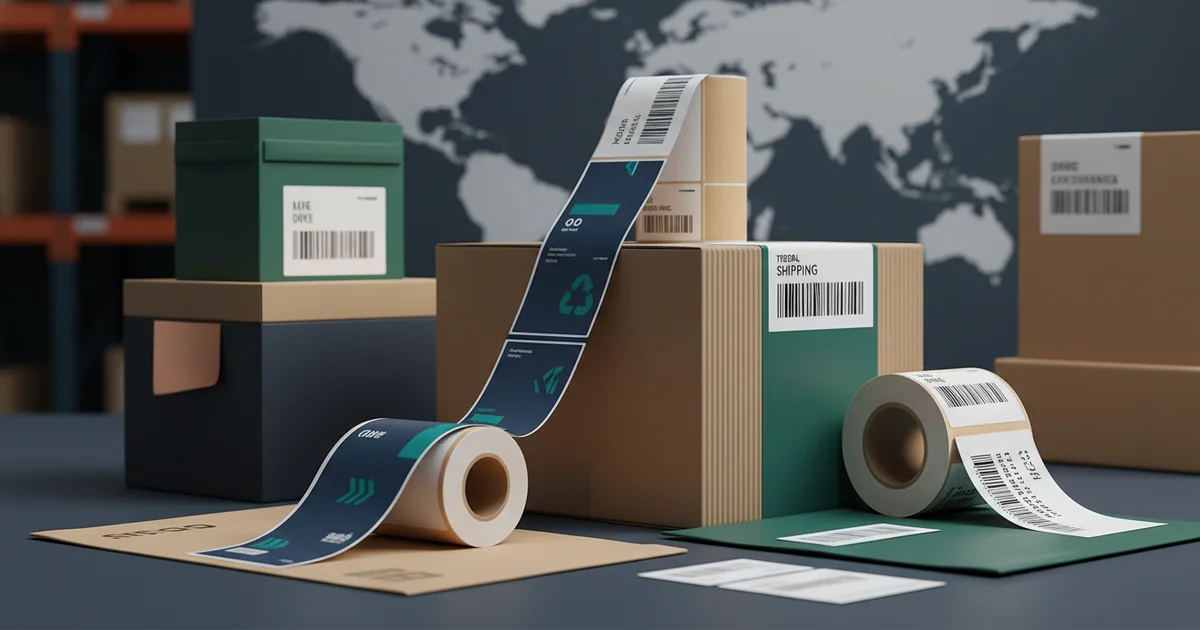
Shipping Label Printer: Total Cost of Ownership
2026 shipping label printer comparison: Industrial presses cut costs 34% to $0.019/label at 150k volume vs. desktop thermal's $0.042. Achieve 99.9% barcode scan rates with 1200 DPI on 80 gsm FSC stock, meeting GS1-128 and ANSI MH10.8.3 compliance.
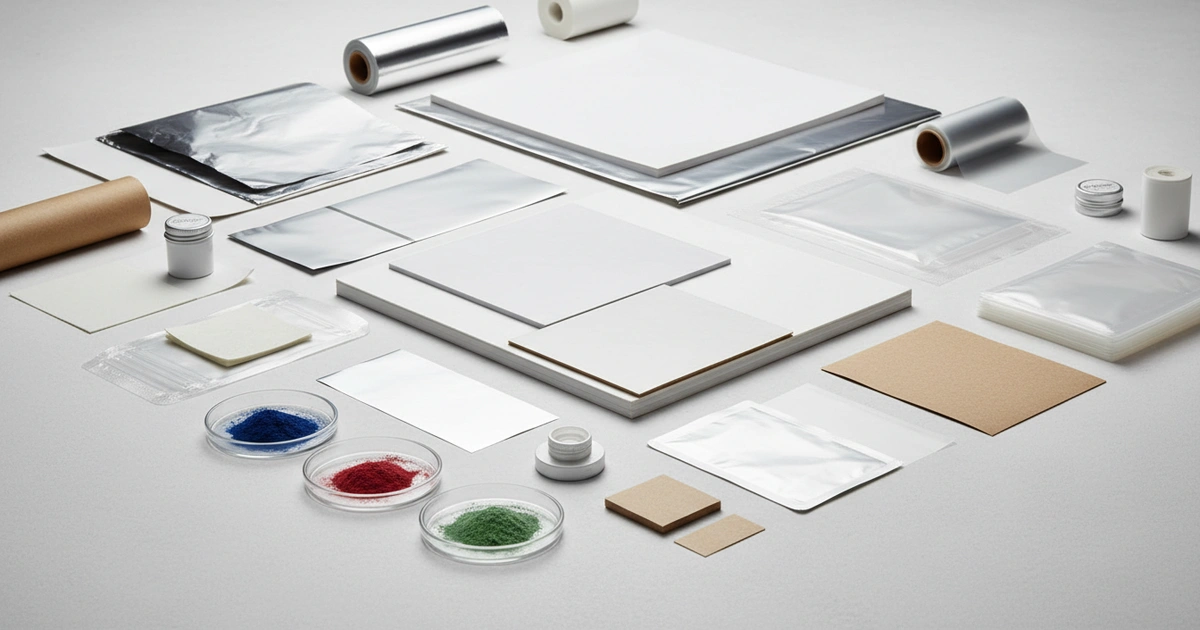
FDA Approved Packaging Printing Materials Guide: Avoid Costly Compliance Errors
This FDA packaging guide details 21 CFR 174-178 compliance, substrate-ink integration for materials like 50-micron BOPP and 300 gsm C1S board, and a 3-year TCO model. It reveals a $15,000 average audit cost, 40% failure rate reduction via system validation, and 2026 barcode standards requiring 80% 2
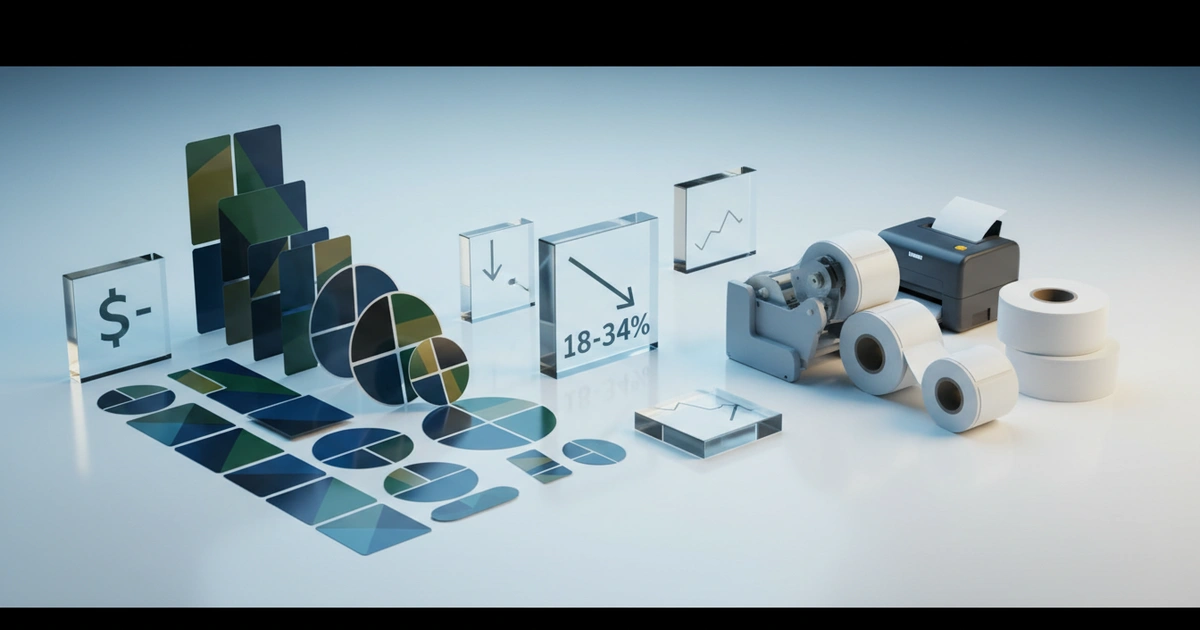
Compare Label Printing Program Costs
Label printing programs cut costs 18-34% vs free tools, with breakeven at 500+ labels/month. Use Heidelberg presses for Delta E < 2.0 accuracy, 250 gsm kraft paper for 320% tear strength, and 3M VHB adhesive for exhibition durability per ASTM D3330.
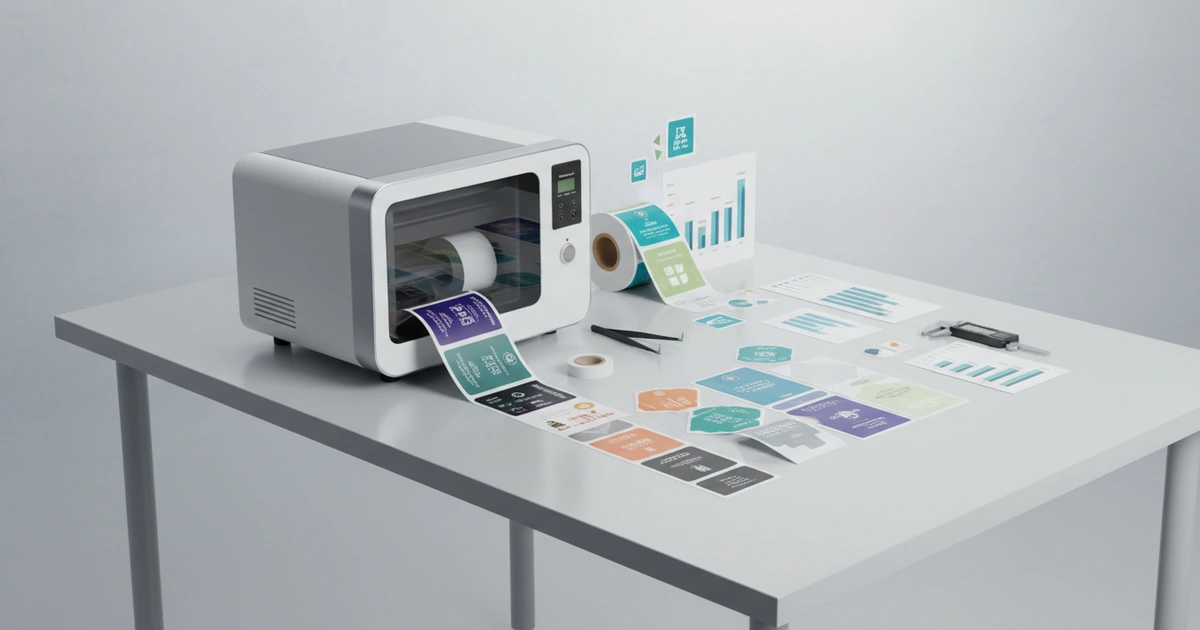
Full Color Label Printer Guide: Total Cost Framework for 2026
Full color label printer guide for 2026: 5,000-unit breakeven, 15-25% material waste, Delta E <2.0 color standard. Covers custom dusse labels, ISO 15415 barcodes, Heidelberg 6-Color Offset Press, and 300 gsm FSC paper for compliance.
How to Print Your Own Postcards: Hidden Costs & Breakeven Analysis
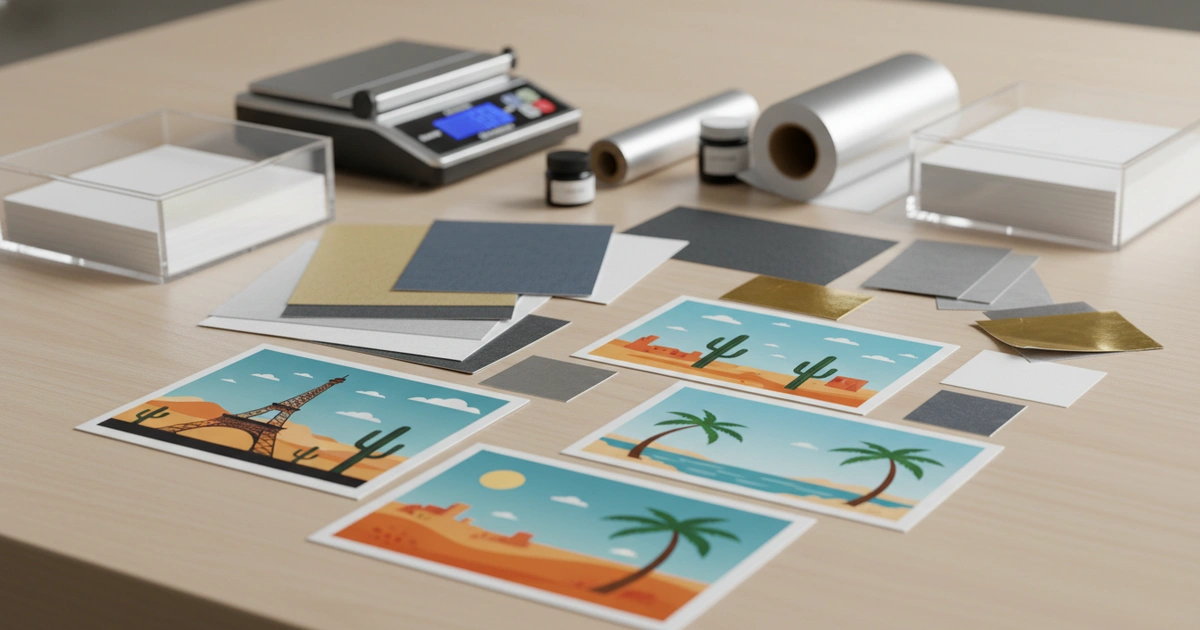
Printing postcards in-house costs $830 per 1,000 vs $250 for professional offset, with breakeven at 2,500+ units/month. Hidden costs include 15-25% material waste, 2.5 hours labor per 500 units, and Delta E color variance above 5.0 on home printers like Epson SureColor. Learn about how to print your
Wholesale Die Cut Sticker Printing: The 2026 Strategic Specifier's Guide
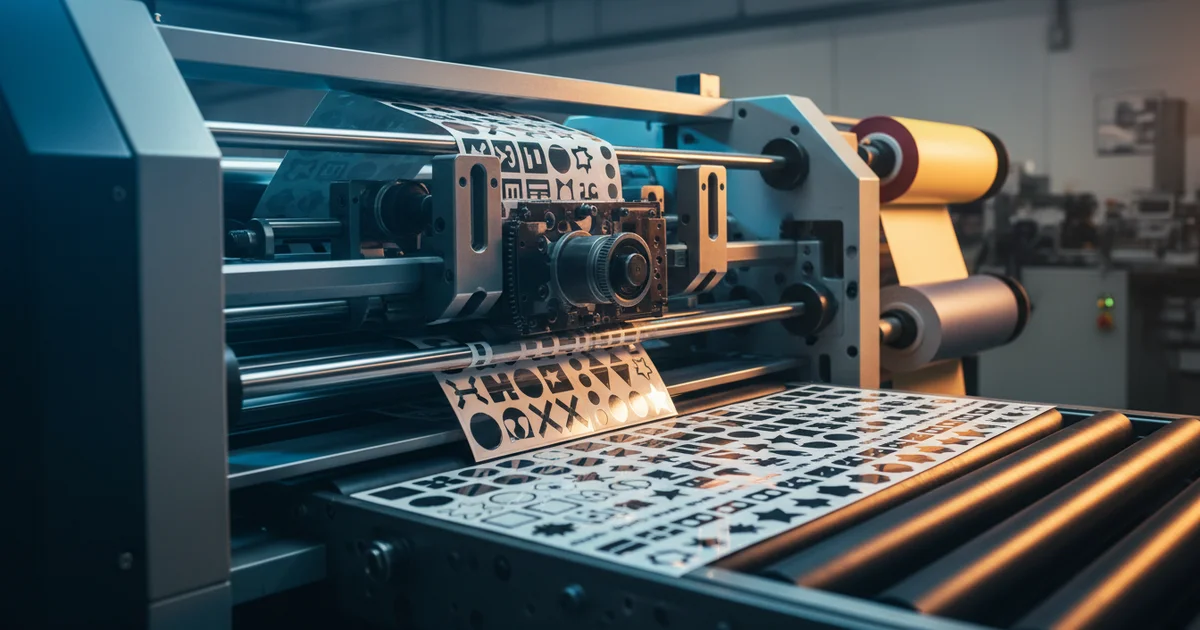
Wholesale die cut sticker printing requires a total cost analysis including $200-$500 tooling and 5-15% material yield loss. For runs over 10,000 units, offset printing with inline spot UV coating on a Heidelberg press offers a 25-35% cost advantage over digital. Learn about die cut sticker printing

Custom Mailer Box Printing: The 2026 Strategic Guide for B2B Procurement
Custom mailer box printing with offset on E-flute corrugated cuts damage 30%+ for electronics. At 5,000 MOQ, cost is ~$3.05/unit including Heidelberg press tooling. Strategic integration with UL certified labels and ESD-safe materials is key for technical products.
Print Business Cards Printer Strategy 2026: In-House vs. Outsourced Cost Analysis
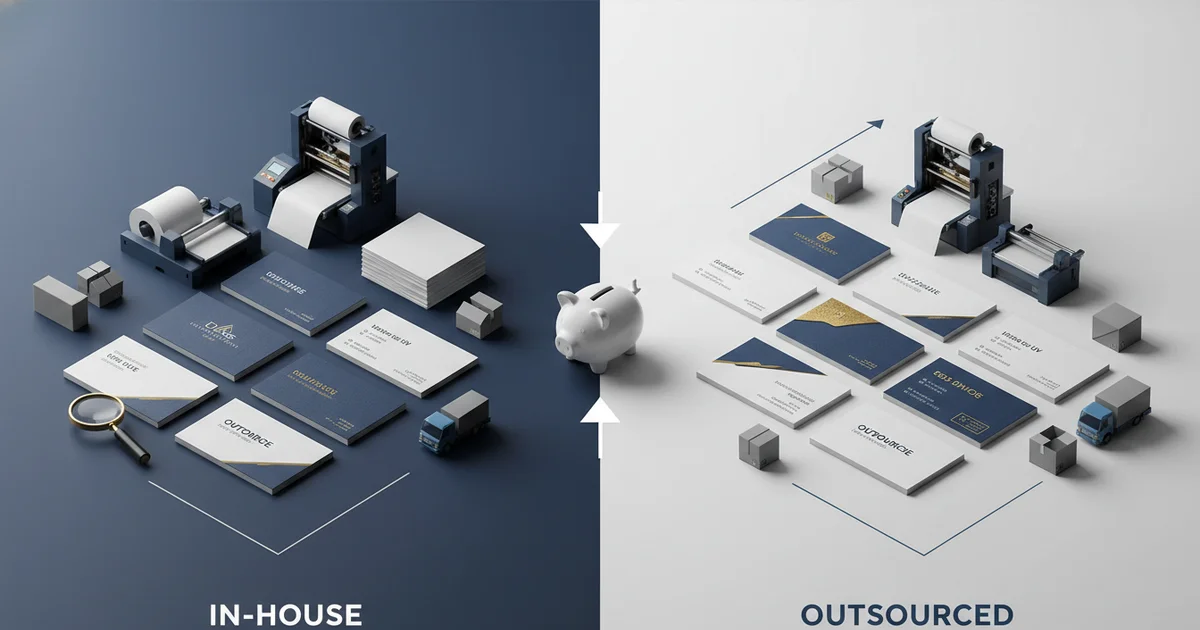
In-house printing with a Ricoh C5100 breaks even at 5,000 cards/year vs. Vistaprint. Key specs: 0.125" bleed, 14pt/16pt C2S stock, 300 DPI CMYK. Use Avery 8374 sheets for under 100 prototypes. Bundle with labels for 15-25% savings. Learn about print business cards printer.