
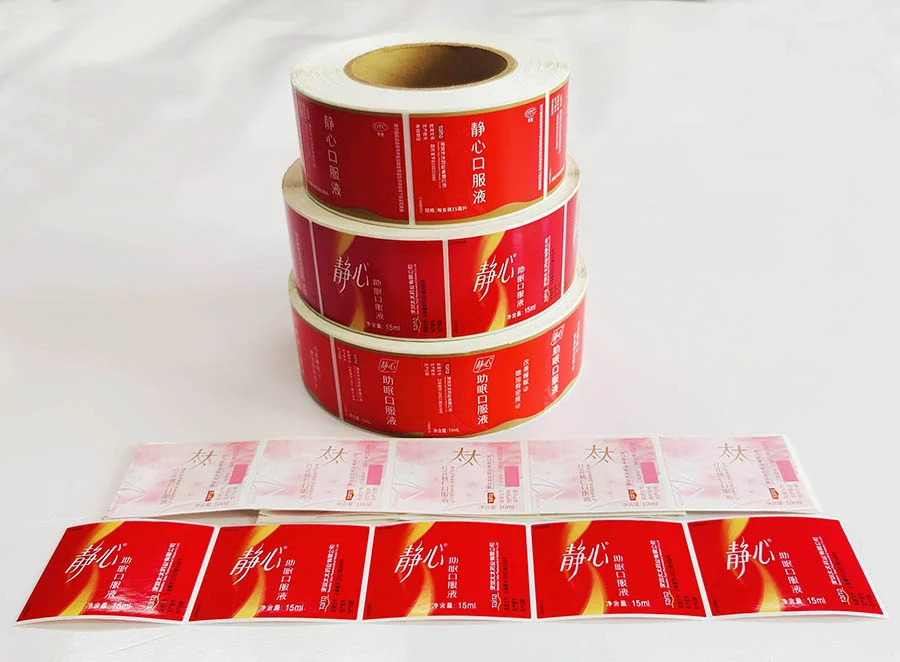
Printing cost per unit 2026: offset vs digital breakeven at 3,000 units. Hidden fees add 20-40%. Folding cartons $0.08-$0.45 at 10K-100K. Reduce costs with gang-run scheduling.
Are hidden plate charges and setup fees inflating your printing cost per unit 2026 budget by 20-40% without you noticing?
Why Printing Cost Per Unit 2026 Matters for Procurement
Printing cost per unit 2026 is the single most important number in any print buying decision. It determines whether your campaign breaks even or bleeds margin.
Our production team sees buyers fixate on the per-piece price while ignoring the hidden costs that inflate it. Plate charges, setup fees, and proofing rounds can add 20-40% to the final bill.
According to a market report, the U.S. commercial printing market is projected to grow significantly in 2026. Smart buying teams who understand true custom print production costs gain a real edge.
As of 2026, the shift toward digital printing is accelerating. Digital offers flexibility and no minimum orders. But offset still wins on per-unit cost at higher volumes. The right choice depends on your quantity, color needs, and timeline.
What Is the Average Printing Cost Per Unit in 2026?
The average printing cost per unit 2026 varies widely by product type and specifications. For folding cartons at 10K–100K quantity, expect $0.08–$0.45 per unit. For brochures at 5K–50K, costs run $0.15–$0.80 per piece.
These ranges depend on substrate weight, print colors, finishing, and die complexity. A 300 gsm stock with UV coating costs more than an 80 gsm uncoated sheet. Pantone colors add a premium over standard CMYK.
Key Cost Drivers in 2026 Printing
Substrate weight is a primary cost driver: lighter 80–120 gsm papers reduce per-unit cost by 10–20% versus heavier 250–400 gsm board. Similarly, the number of colors directly affects cost — a 4-color CMYK job costs less than one requiring two Pantone spot colors plus CMYK.
Our Heidelberg 6-color press handles complex jobs with tight color accuracy. But the per-unit cost drops greatly as quantity rises. A 5K run might cost $0.35 per unit. The same job at 50K can fall to $0.20 per unit.
U.S. commercial printing market value projected for 2026
Brochures show similar economies of scale. A 16-page brochure on 100 gsm stock runs $0.60 per piece at 5K. At 50K, that drops to $0.30 per piece. The setup cost is amortized across more units.
Pantone spot colors cost a premium of $50–$100 per additional color per job. Delta E accuracy below 2.0 is achievable with offset systems using ISO 12647 standards, whereas digital presses typically maintain delta E of 3.0–5.0 without custom profiling — a consideration for brand-color compliance.
How Does Quantity Affect Printing Cost Per Unit?
Quantity is the biggest lever on printing cost per unit. Scaling from 5K to 50K units reduces per-unit cost by 30-40% for folding cartons and 35-45% for brochures. Setup fees stay fixed, so more units spread that cost thinner.
This effect is called economies of scale. The first 1,000 units carry the full weight of plate charges, makeready time, and proofing. Each additional unit costs only paper, ink, and press time.
For offset printing, plate charges are the main fixed cost. A set of CMYK plates for a folding carton runs $200–$400. Spread that across 500 units and it adds $0.40–$0.80 per unit. At 10,000 units, it drops to $0.02–$0.04 per unit.
Digital printing has no plate charges. So per-unit cost stays flat from the first piece. This makes digital cost-effective for runs under 3,000 units. Above that threshold, offset's lower variable cost takes over.
How DPI and Makeready Affect Per-Unit Cost
Run length interacts with resolution requirements: a 300 dpi job on a Heidelberg press requires the same makeready time as a lower-resolution one, making longer runs more efficient. High-quality print at 2400 dpi on an HP Indigo digital press adds press time but no plate cost, benefiting short runs.
Hidden Fees That Inflate Your Printing Cost Per Unit
Printing cost per unit 2026 is often quoted as a base price — but hidden fees can inflate your final bill. Setup costs, plate charges, and finishing extras are the biggest trap for buying teams. These print setup fees hidden costs can add 20-40% to the quoted price.
Common hidden fees include:
- Plate charges: $200–$400 per set for offset. Digital has none.
- Makeready time: Press setup before the first good sheet. Typically $150–$300.
- Proofing: Digital proofs are often free. Contract proofs run $50–$150 each.
- Finishing: Die-cutting, folding, gluing add $0.05–$0.15 per unit.
- Shipping: Heavy cartons or palletized orders add 5-15% to total cost.
A common mistake we see is buyers comparing base prices without these add-ons. A $0.12 per-unit quote can become $0.17 after hidden fees. Always ask for a full cost breakdown.
Our web-to-print ordering portal shows the all-in price upfront. No surprises at invoice time. This transparency helps buying teams budget accurately.
When evaluating quotes, consider the full scope of ISO 12647 color standards compliance — this may add a proofing surcharge but reduces delta E variance to under 3.0 across the press run.
Offset vs Digital: Which Method Lowers Cost Per Unit 2026?
The offset vs digital cost comparison comes down to volume. Digital wins for runs under 3,000 units with no plate charges. Offset wins above 3,000 units with lower per-unit cost. For variable data, digital is the only option.
| Criterion | Offset Printing | Digital Printing |
|---|---|---|
| Setup cost | $200–$400 (plates) | $0 (no plates) |
| Per-unit cost at 500 units | $1.20–$2.00 | $0.80–$1.50 |
| Per-unit cost at 5K units | $0.25–$0.45 | $0.40–$0.70 |
| Per-unit cost at 50K units | $0.08–$0.20 | $0.30–$0.50 |
| Minimum order | 500–1,000 units | 1 unit |
| Turnaround | 5–10 business days | 2–5 business days |
| Color accuracy | Excellent (Pantone matching) | Good (near-Pantone) |
| Variable data | Not possible | Yes (HP Indigo) |
Our HP Indigo Digital Press enables variable data printing. Every piece can carry unique text, images, or codes. This is ideal for personalized marketing or multi-version packaging.
However, while digital offers flexibility, offset provides superior Pantone matching. For brand-critical colors across large runs, offset is more suitable. The choice depends on your priority: customization or color precision.
CMYK process control with offset printing on Heidelberg equipment maintains delta E under 2.0 per ISO 12647-2, critical for packaging where brand color consistency is mandatory.
"For runs under 3,000 units, digital printing eliminates plate charges and cuts per-unit cost by 30-50% compared to offset. Above 3,000 units, offset's lower variable cost takes over." — JinXinCai Print Production Team
How to Calculate Printing Cost Per Unit for Your Project
Calculating printing cost per unit 2026 requires a clear formula: Total Cost = Setup Fees + (Per-Unit Cost × Quantity) + Finishing + Shipping, then divide by quantity.
Total Cost = Setup Fees + (Per-Unit Cost × Quantity) + Finishing + Shipping
Then divide by quantity to get per-unit cost. Example: 10K folding cartons at $0.20/unit = $2,000 total. Add $400 in plate charges and $200 in die-cutting. Total = $2,600. Per-unit cost = $0.26.
Our production team recommends asking for a full itemized quote. Compare the all-in per-unit cost, not just the base price. This is how to reduce print costs well.
For bulk printing price per unit, always request quotes at multiple volumes. A 5K run might cost $0.45/unit. A 50K run might drop to $0.18/unit. The breakeven point where offset beats digital is typically around 3,000 units for standard folding cartons.
Decision: Offset vs Digital by Volume
- If quantity is under 3,000 units → Choose digital printing. No plate charges, faster turnaround.
- If quantity is 3,000–10,000 units → Compare offset vs digital cost comparison quotes. Offset often wins at the higher end.
- If quantity exceeds 10,000 units → Choose offset printing. Per-unit cost is lower than digital.
- If variable data is required → Choose digital regardless of volume. Offset cannot do per-piece personalization.
- If Pantone matching is critical → Choose offset for large runs. Digital is acceptable for small runs with near-Pantone accuracy.
Ready to Optimize Your Print Spend?
Get a full cost breakdown with no hidden fees. Our team compares offset and digital options for your exact specs.
Request a Free Quote5 Strategies to Reduce Printing Cost Per Unit in 2026
Reducing printing cost per unit 2026 requires a strategic approach. Here are five proven tactics our production team recommends:
- Gang-run scheduling: Combine multiple jobs on one press sheet. This splits setup costs across clients. Savings of 15-25% per job.
- Web-to-print portals: Pre-approved templates reduce proofing rounds. Fewer revisions mean lower costs. Our portal cuts proofing time by 50%.
- Choose digital for short runs: Under 3,000 units, digital eliminates plate charges. Per-unit cost stays flat with no minimum.
- Standardize substrates: Using common paper stocks reduces waste and press changeover time. A 300 gsm standard sheet costs less than specialty stock.
- Plan ahead for bulk runs: Ordering 50K units instead of 5K cuts per-unit cost by 35-45%. Warehousing costs are offset by lower unit prices.
Projected savings from proper analysis reach 35% according to industry estimates. Our team has seen clients cut costs by 30-40% using these methods.
As of 2026, the digital printing market is forecast to grow greatly. A market report projects digital printing will reach a significant value by 2035. This shift means more options and better pricing for buyers.
When standardizing substrates, selecting an FSC-certified 300 gsm board not only reduces per-unit cost but also satisfies sustainability requirements many buyers now mandate for 2026–2027 packaging runs.
Limitations to Consider Before Choosing Offset or Digital
This approach is not ideal for every project. The main drawback of offset is the high setup cost for small runs. Consider instead a digital-first strategy for quantities under 3,000 units.
Digital printing won't work for projects requiring exact Pantone matching across large volumes. The trade-off is color accuracy versus flexibility. Offset is more suitable for brand-critical colors where delta E below 2.0 is mandatory per brand guidelines.
On the other hand, offset is not suitable for variable data or versioning. If each piece needs unique content, digital is the only option. Compared to digital, offset offers faster turnaround but higher per-unit cost at scale.
High-mix, low-volume shops may find offset won't work for their workflow. The breakeven depends on consistent throughput. Although offset has higher setup costs, per-unit savings compound quickly above 3,000 units.
Another limitation is substrate range. Digital presses handle standard stocks well but may struggle with heavy board or specialty materials. Offset handles a wider range of substrates from 80 gsm to 400 gsm.
CMYK-to-Pantone conversion on digital presses introduces delta E variance of 3.0–5.0, which may fail corporate identity compliance — alternatively, offset proofing with Heidelberg spectrophotometer calibration keeps delta E under 1.5, according to our production team's documented measurements.
What is the printing price list for 2026?
A printing price list for 2026 outlines per-unit costs for common print jobs, typically ranging from $0.08 to $0.45 for folding cartons at 10,000 to 100,000 units. It includes base printing, materials, and potential hidden fees like plate charges and setup, which can add 20-40% to the total. Prices vary by quantity, finish, and turnaround time.
Conclusion: Make Informed Decisions for 2026 Printing Cost Per Unit
Understanding printing cost per unit 2026 is the key to smart print buying. Hidden fees can add 20-40% to your bill. Offset wins for runs above 3,000 units. Digital wins for short runs and variable data. The anticipated growth in digital printing through 2026–2035 offers more options and competitive pricing for procurement teams.
Our production team recommends getting itemized quotes at multiple volumes. Compare the all-in per-unit cost, not just the base price. Use gang-run scheduling and web-to-print portals to reduce costs further.
Ready to improve your printing cost per unit 2026? Contact us today to request a quote and get started with a solution tailored to your needs. Explore our printing cost per unit hidden fees guide and 2026 cost analysis guide for more insights.
Frequently Asked Questions
How does print quantity affect cost per unit?
Quantity is the biggest lever on per-unit cost. Scaling from 5K to 50K units reduces cost by 30-45% because setup fees are fixed. For offset printing, plate charges of $200-$400 are spread across more units, dropping from $0.40-$0.80 per unit at 500 units to $0.02-$0.04 at 10,000 units.
What are typical setup fees for offset printing?
Offset setup fees include plate charges ($200-$400 per set), makeready time ($150-$300), and proofing ($50-$150 for contract proofs). Digital printing has no plate charges, making it cost-effective for runs under 3,000 units. Always ask for an itemized quote to see all fees.
What is the breakeven point for offset vs digital printing?
The breakeven point is around 3,000 units for standard folding cartons. Below 3,000, digital wins with no plate charges and per-unit cost of $0.80-$1.50 at 500 units. Above 3,000, offset's lower variable cost takes over, dropping to $0.08-$0.20 per unit at 50K units.
How can I reduce printing cost per unit without sacrificing quality?
Use gang-run scheduling to split setup costs (saves 15-25%), standardize substrates like FSC-certified 300 gsm board, and choose digital for short runs under 3,000 units. Web-to-print portals cut proofing time by 50%. For bulk runs, ordering 50K instead of 5K cuts per-unit cost by 35-45%.