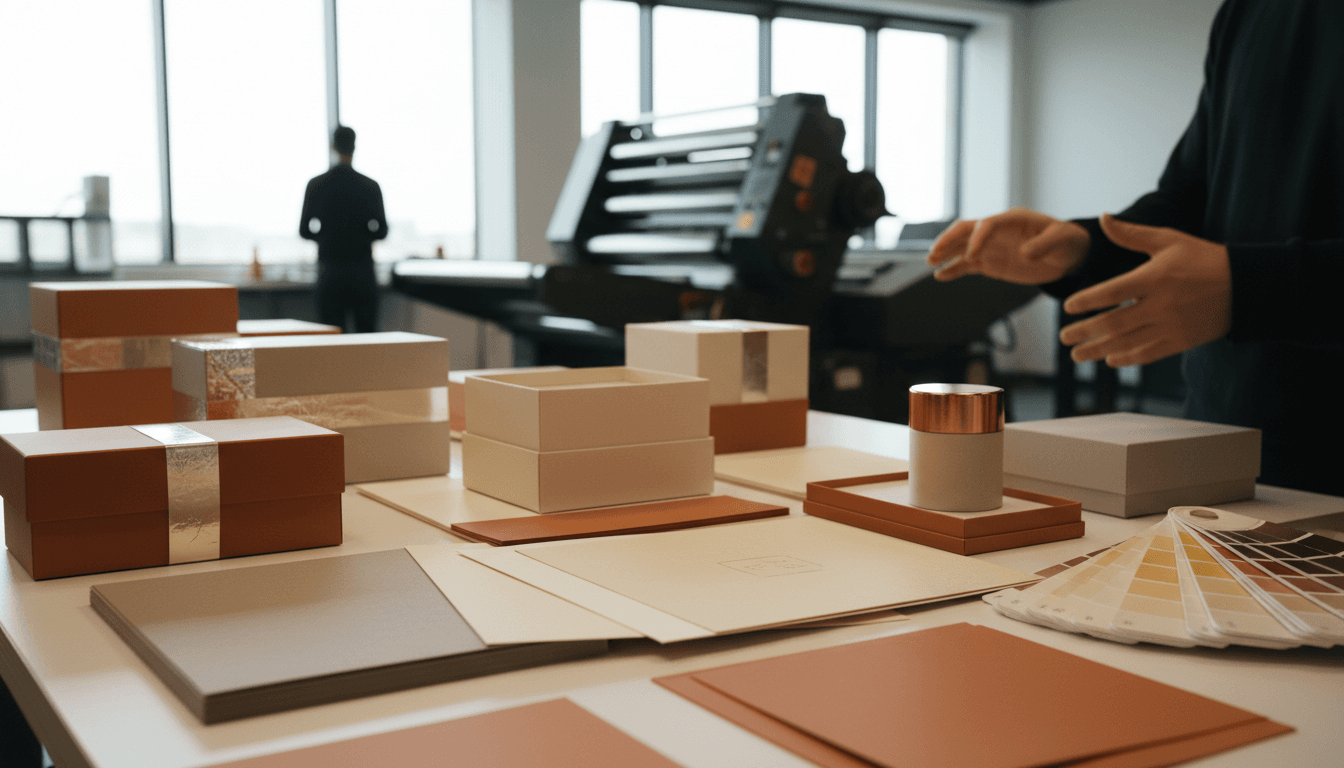
Discover how to elevate your brand with premium packaging solutions that blend craftsmanship, innovation, and sustainability. Learn from industry leaders.
- Luxury packaging is defined by material quality, craftsmanship, and sensory experience, not just aesthetics.
- True premium packaging solutions integrate innovative design with functional excellence and brand storytelling.
- Sustainability is now a non-negotiable element of luxury cosmetic packaging, requiring material innovation.
- Collaborative design processes with specialized manufacturers yield iconic, brand-defining packaging.
- The future of luxury brand packaging lies in personalization, smart technology, and circular economy principles.
Your product deserves packaging that commands attention, communicates quality, and creates an unforgettable unboxing experience. Yet too many brands settle for generic solutions that fail to elevate their premium positioning or justify their price point. The challenge isn't simply finding a supplier—it's finding a partner who understands that luxury packaging is the physical manifestation of your brand promise. This is where studying industry leaders like Albertini Packaging Group reveals critical insights. Their decades-long legacy in creating exquisite packaging for the world's most discerning beauty and fragrance brands demonstrates that true luxury packaging excellence requires a holistic approach combining materials, craftsmanship, innovation, and increasingly, sustainability.
What Is the Albertini Legacy in Luxury Packaging?
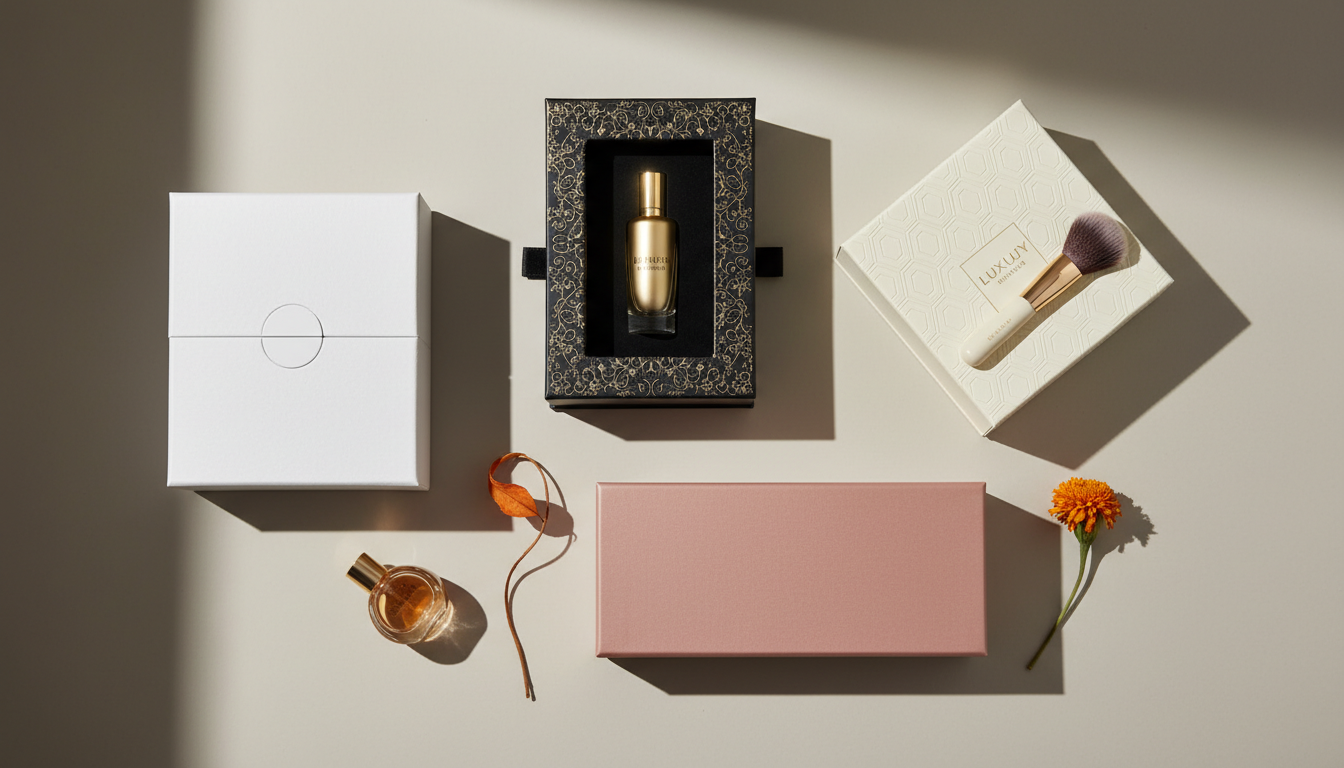
The Albertini Packaging Group represents a multi-generational commitment to creating packaging that transcends mere containment to become a brand asset. Founded in Italy—a country synonymous with design excellence—the company has built its reputation on understanding that for premium brands, packaging is the first tangible touchpoint with the consumer. Their legacy teaches us that successful luxury packaging isn't about following trends, but about establishing timeless principles of quality, attention to detail, and deep collaboration with brand partners.
For over half a century, Albertini has operated on a simple but powerful premise: packaging should tell a story. Whether it's a limited-edition fragrance or a flagship skincare line, their approach involves immersing themselves in the brand's DNA. This means understanding the target consumer's aspirations, the product's unique selling proposition, and the desired emotional response upon unboxing. This collaborative, consultative model is what separates true luxury packaging manufacturers from transactional suppliers. It's why brands seeking to establish or reinforce a premium position should look for partners with proven experience in translating brand values into physical form.
The practical takeaway for brand managers is clear: when evaluating packaging partners, prioritize those with a documented portfolio of successful, long-term collaborations in your specific category, like cosmetics and beauty packaging. Look for case studies that demonstrate an understanding of market positioning, not just technical capability.
How Do You Define Luxury Through Materials and Craftsmanship?
Luxury is defined at the intersection of superior materials and impeccable craftsmanship. It's felt in the weight of a rigid box, seen in the precision of a foil-stamped logo, and heard in the satisfying click of a magnetic closure. Custom luxury packaging begins with material selection that communicates quality before the product is even seen.
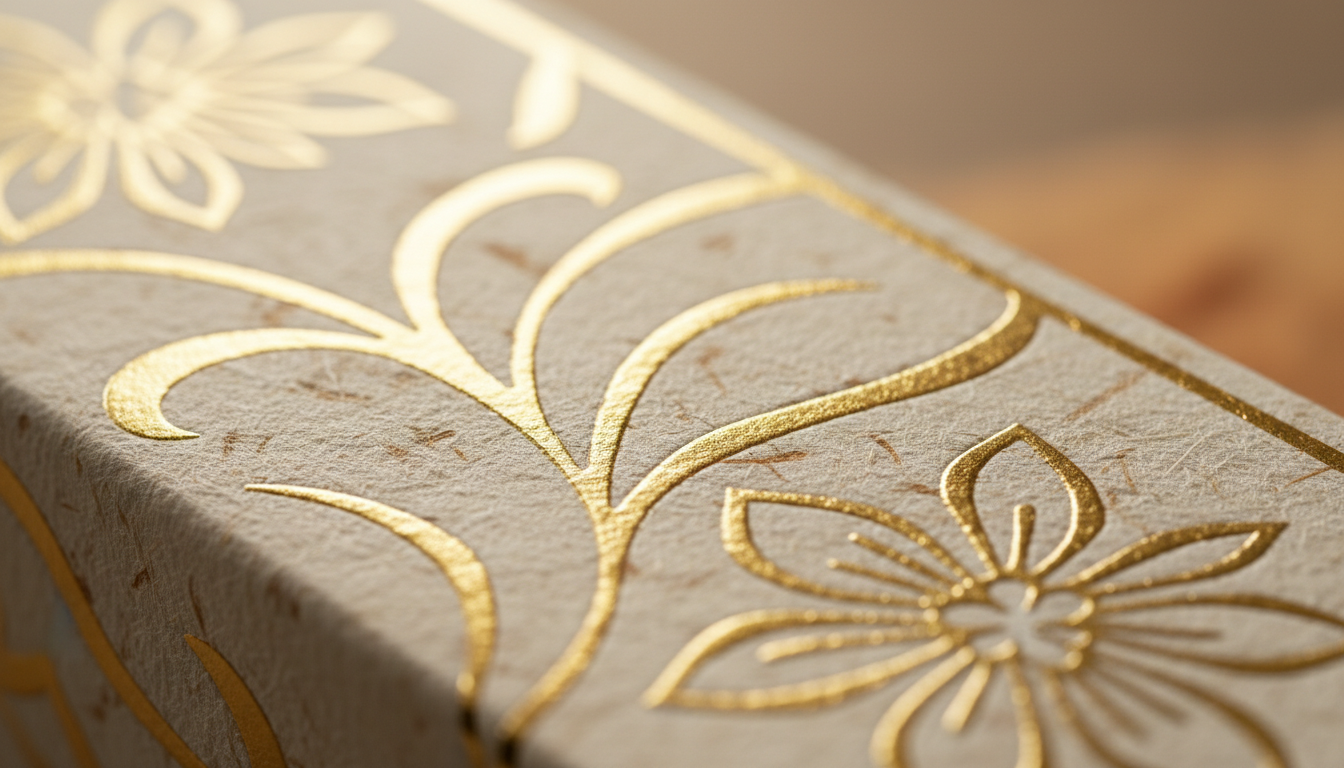
High-end packaging typically utilizes a tiered material approach. The substrate—often heavy-weight, FSC-certified paperboard or specialty materials like silk, linen, or even wood veneers—forms the foundation. This is then enhanced through advanced finishing techniques. Hot foil stamping in gold, silver, or custom colors adds metallic brilliance and tactile depth. Embossing and debossing create three-dimensional textures that invite touch. Spot UV coatings can create glossy contrasts against matte backgrounds. For truly bespoke packaging, elements like ribbon pulls, magnetic closures, and custom inserts are engineered not just for aesthetics but for a flawless user experience.
"Luxury packaging is a silent ambassador. It doesn't shout; it whispers quality through every detail—the grain of the paper, the crispness of the die-cut, the fidelity of the color match. It's engineering disguised as art." — Senior Packaging Designer, Premium Beauty Brand
From a procurement perspective, this means budgeting for both material costs and the skilled labor required for complex finishing. A simple two-piece box might cost $0.50 to produce, while a custom rigid box with multiple foils, embossing, and a soft-touch laminate can exceed $15 per unit. The decision framework should weigh this cost against the perceived value increase, potential for social media sharing (the "unboxing" effect), and the ability to support a higher price point.
What Role Does Innovative Design Play for Premium Beauty Brands?
Innovative design is the differentiator that transforms standard packaging into a brand icon. For premium beauty brands operating in a saturated market, packaging design must achieve three objectives simultaneously: stand out on shelf (physical or digital), communicate brand ethos instantly, and enhance the product's functionality. This requires moving beyond templated solutions to truly bespoke packaging.
The innovation can be structural, graphic, or experiential. Structurally, think of custom-shaped bottles, boxes with unconventional openings, or inserts that present products like jewels. Graphically, it might involve proprietary patterns, intricate illustrations, or minimalist design that relies entirely on material texture. Experientially, innovation focuses on the unboxing journey—sequential reveals, hidden compartments, or integrated samples. A leading trend is "phygital" packaging, where QR codes or NFC chips embedded in elegant packaging connect to digital content, creating a hybrid brand experience.
For example, a hypothetical collaboration for a high-end serum might involve a rigid box that opens like a book, with the first panel telling the brand story through foil-stamped typography, the second holding the bottle in a custom die-cut cradle lined with velvet, and the third containing a certificate of authenticity and usage instructions. This level of innovation requires close partnership with a manufacturer offering comprehensive die-cut and finishing services to execute complex structural designs reliably at scale.
Can Luxury Packaging Truly Be Sustainable?
Absolutely. Sustainable luxury packaging is no longer an oxymoron but an imperative. Today's discerning consumer expects premium brands to lead in environmental responsibility without compromising on aesthetics or experience. The challenge—and opportunity—lies in integrating circular economy principles into high-end design.
Forward-thinking companies are approaching this through multiple avenues. Material innovation is primary: using recycled paperboard with identical performance to virgin fiber, developing bio-based plastics for windows or blisters, and sourcing FSC-certified papers. The second avenue is design for disassembly: creating packaging that can be easily separated into mono-material components for recycling, or designing refillable systems where a beautiful outer case is permanent and only the inner product cartridge is replaced. The third is process optimization: using vegetable-based inks, renewable energy in manufacturing, and minimizing waste through precise die-cutting layouts.
of consumers consider sustainability when purchasing a luxury product
For brands, this means working with manufacturers who have robust environmental management systems. At JinXinCai Printing, our ISO 14001 certification reflects a commitment to minimizing environmental impact across our operations, from material sourcing to production. We help brands navigate the sustainable luxury packaging landscape by recommending materials that meet both aesthetic and environmental criteria, such as textured recycled boards that feel premium or matte laminates that are fully recyclable.
Ready to translate your brand vision into sustainable, luxurious packaging? Our team specializes in material selection, structural design, and premium finishing for beauty and fragrance brands.
Get a Free Quote →What Are the Future Trends in Luxury Brand Packaging?
The future of luxury packaging is being shaped by technology, personalization, and heightened experiential demands. While timeless craftsmanship remains the foundation, several key trends are emerging that brand leaders should monitor.
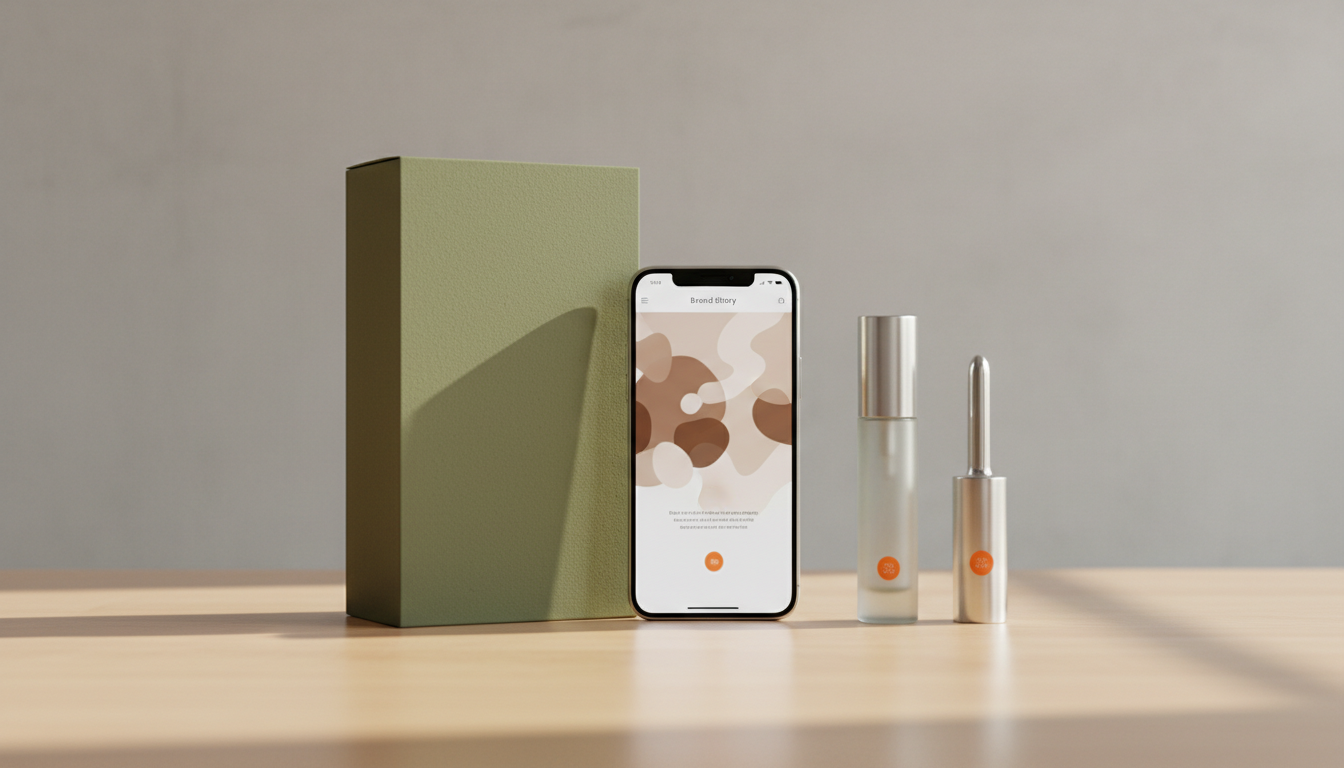
Hyper-personalization is moving beyond monogramming. Digital printing advancements now allow for cost-effective short runs where each box can feature unique graphics, names, or even custom color mixes, making every piece feel one-of-a-kind. Smart packaging is integrating subtle technology—like NFC chips embedded under foil—that, when tapped with a smartphone, authenticates the product, reveals its origin story, or offers replenishment options. This merges the physical luxury experience with digital utility.
Another significant trend is the "quiet luxury" aesthetic in packaging: minimalist design, muted color palettes, and an emphasis on sublime texture over overt branding. This reflects a broader cultural shift towards sophistication and substance. Furthermore, the concept of packaging as a permanent keepsake is gaining traction. Designs are becoming more durable and multi-functional, intended to be repurposed as jewelry boxes, desk organizers, or art objects, thereby extending the brand interaction and reducing waste.
What Can We Learn from Iconic Packaging Collaborations?
Case studies of successful brand-manufacturer partnerships provide a blueprint for achieving packaging excellence. These collaborations succeed when both parties engage as strategic partners from the earliest concept stage.
Consider a hypothetical case: A niche perfume house launching its first flagship scent aimed at the ultra-premium segment. The goal was packaging that felt like a "portable art object." The brand worked with a manufacturer (like JinXinCai Printing, which has expertise in complex finishing) on a two-year development journey. They started with material exploration, testing over 20 different paper stocks and 15 foil samples. The final design featured a rigid box constructed from 2mm greyboard, wrapped in a custom-dyed silk paper with a subtle watermark. The logo was blind debossed (no foil) for a tactile, understated effect. Inside, a precision die-cut foam insert held the bottle at a precise angle, lined with black flocking to create contrast. A hidden drawer contained a booklet and a sample vial. The unboxing was choreographed in three distinct movements. The result? The packaging received as much press coverage as the fragrance itself, with a 30% increase in social media mentions directly attributed to the unboxing experience, justifying a price point 40% above the category average.
The lesson is that iconic packaging collaborations invest time in prototyping, value engineering (finding cost savings without compromising experience), and rigorous testing for durability and user experience. They treat the packaging development timeline with the same respect as the product development timeline.
Frequently Asked Questions
What makes Albertini Packaging Group a leader in luxury packaging?
Albertini Packaging Group's leadership stems from a multi-generational focus on craftsmanship, deep material knowledge, and a collaborative design process. They treat packaging as an integral part of brand storytelling, not just a container, and have built long-term partnerships with prestigious beauty and fragrance houses by consistently delivering innovative, high-quality solutions.
What materials and finishes are used in high-end cosmetic packaging?
High-end cosmetic packaging typically uses premium substrates like rigid paperboard, often with FSC certification or recycled content. Finishes include hot foil stamping (gold, silver, holographic), embossing/debossing for texture, spot UV coatings for gloss contrast, and specialty laminates like soft-touch or velvet. Magnetic closures, ribbon pulls, and custom inserts are common functional enhancements.
How do luxury packaging companies incorporate sustainability?
Leading companies incorporate sustainability through material choice (recycled/ recyclable/ bio-based substrates), design for disassembly and refillability, and manufacturing process optimization (renewable energy, waste reduction). The goal is to reduce environmental impact without sacrificing the luxurious feel and unboxing experience that defines the category.
What is the process for designing custom luxury packaging?
The process begins with a deep dive into brand strategy and target audience. It then moves through concept ideation, material selection, and structural/ graphic design. Multiple physical prototypes are created for testing form, function, and feel. Finally, the design is engineered for manufacturing, with careful attention to die-cutting, assembly, and quality control to ensure consistency at scale.
In the competitive landscape of premium beauty and luxury goods, your packaging is a critical investment in brand equity. As we've explored through the lens of established leaders like Albertini Packaging Group, achieving true luxury packaging excellence requires a strategic partnership with a manufacturer who understands the nuances of material science, advanced finishing, sustainable innovation, and brand storytelling. It's about moving beyond a vendor relationship to a collaborative one where packaging is co-created as a brand asset. Whether you're launching a new product line or revitalizing an existing one, the principles remain: prioritize craftsmanship, embrace innovation, integrate sustainability, and never underestimate the power of an extraordinary unboxing experience. The next step is to translate these insights into action for your brand.
Frequently Asked Questions
What makes Albertini Packaging Group a leader in luxury packaging?
Albertini Packaging Group's leadership stems from a multi-generational focus on craftsmanship, deep material knowledge, and a collaborative design process. They treat packaging as an integral part of brand storytelling, not just a container, and have built long-term partnerships with prestigious beauty and fragrance houses by consistently delivering innovative, high-quality solutions.
What materials and finishes are used in high-end cosmetic packaging?
High-end cosmetic packaging typically uses premium substrates like rigid paperboard, often with FSC certification or recycled content. Finishes include hot foil stamping (gold, silver, holographic), embossing/debossing for texture, spot UV coatings for gloss contrast, and specialty laminates like soft-touch or velvet. Magnetic closures, ribbon pulls, and custom inserts are common functional enhancements.
How do luxury packaging companies incorporate sustainability?
Leading companies incorporate sustainability through material choice (recycled/ recyclable/ bio-based substrates), design for disassembly and refillability, and manufacturing process optimization (renewable energy, waste reduction). The goal is to reduce environmental impact without sacrificing the luxurious feel and unboxing experience that defines the category.
What is the process for designing custom luxury packaging?
The process begins with a deep dive into brand strategy and target audience. It then moves through concept ideation, material selection, and structural/ graphic design. Multiple physical prototypes are created for testing form, function, and feel. Finally, the design is engineered for manufacturing, with careful attention to die-cutting, assembly, and quality control to ensure consistency at scale.