
Label printing platform shift: 5 trends for 2026 include artwork bleed zones, thermal vs laser selection, printer creep calibration, integrated software, and single-source partners to cut reprints 30% and TCO 22%.
Are costly label shifts eating your profit margins on every reprint? The shift from reactive troubleshooting to a proactive label printing platform shift can cut waste and reduce total cost of ownership by up to 22%. Integrated platforms prevent alignment failures before they start, saving thousands per year in reprint costs.
What Is a Label Printing Platform Shift?
A label printing platform shift is a strategic move from reactive troubleshooting to proactive platform design. It unifies artwork design, printer calibration, and software integration to prevent alignment issues before they cause reprints or waste.
A label printing platform shift is a strategic move from reactive troubleshooting to proactive platform design. It means fixing alignment issues at the artwork and production stage, not after labels come out wrong.
Most teams spend hours adjusting printer settings after every batch. A platform approach changes that. It unifies artwork design, printer calibration, and software integration into one system.
Our production team at JinXinCai Print Production sees this shift daily. “Clients who adopt a platform approach cut reprint rates on complex jobs,” notes our production team. “The savings come from removing the root cause, not just treating symptoms.” Custom print production starts with this philosophy.
Industry data backs this up. The global label printing software market is projected to hit $8,010.3 million by 2032, growing at a 7.4% CAGR, according to Credence Research. This growth reflects the shift toward integrated systems that prevent shift before it starts.
What Are the 5 Trends Reshaping Label Printing in 2026?
The 5 key trends reshaping label printing in 2026 are artwork-first design with bleed zones, thermal vs. laser printer selection, printer creep calibration, integrated software systems, and single-source label partners. Each trend targets a specific cause of label shift to improve quality and reduce total cost of ownership.
| Trend | Adoption Stage | Buyer Impact | Urgency |
|---|---|---|---|
| Artwork-First Design with Bleed Zones | Mainstream | Fewer reprints | Act now |
| Thermal vs. Laser Selection | Growing | Lower per-label cost | Evaluate now |
| Printer Creep Calibration | Immediate fix | Less scrap | Implement now |
| Integrated Software Systems | Enterprise now | Fewer errors | Plan within 6 months |
| Single-Source Label Partners | Ongoing | 22% lower TCO | Evaluate now |
Artwork-First Label Design with Bleed Zones
Artwork-first design with bleed zones is the trend that matters most. Most label shift originates in artwork design, not printer hardware. OnlineLabels recommends leaving a 1/8-inch bleed zone to accommodate up to 1/16-inch shift during printing.
Our production team sees this daily. “Nearly 60% of alignment issues we trace back to artwork that lacks proper bleed zones,” explains our quality team. “The fix is simple: design for shift before it happens.”
Bleed zone usage is a basic label shift prevention guide step that too many teams skip. Designed properly, artwork in CMYK with Pantone spot colors at 300 dpi ensures color accuracy and minimizes waste. Adding a bleed zone improves label alignment by giving printers a margin of error. Without them, even a 1/16-inch shift leaves white edges on finished labels.
Buyer action: Act now. Update all label artwork templates to include mandatory 1/8-inch bleed zones. This is a zero-cost fix that cuts reprints. It is already mainstream and expected to grow as design software adds built-in bleed checks.
Thermal vs. Laser Printer Selection for Label Shift
Selecting between thermal and laser printers provides a fundamental choice for minimizing label shift in different production environments. Thermal printers have fewer mechanical creep issues than laser printers. This makes them the preferred choice for high-volume shipping labels. Laser printers introduce heat-induced expansion that worsens shift over long runs.
According to online forums, printer creep can reach a noticeable amount over a run of labels on some laser models. Thermal printers, by contrast, keep consistent alignment across hundreds of labels. A thermal printer operating at 203 dpi is sufficient for logistics labels; for color-critical work, 300 dpi and CMYK support are essential. This is a critical label printing system comparison point for buying managers.
However, laser printers still suit low-volume, high-color jobs where heat expansion is minimal. The trade-off depends on your volume and color needs. Thermal dominates logistics, but laser improves steadily for color-critical work. Thermal printing solutions from JinXinCai offer consistent quality for high-run jobs.
Buyer action: Evaluate now. For shipping labels, thermal is the clear winner. For color labels under 500 units per run, laser may still work. The thermal label shift troubleshooting approach starts with choosing the right printer type for your volume.
Printer Creep Mitigation Through Hardware Calibration
Printer creep is the gradual shift of label content across a run. OnlineLabels forums report creep of a noticeable amount over a run of labels. This causes misalignment that worsens with each label printed. Our team validates label adhesion and alignment under simulated transit conditions.
Calibration is the most effective fix. Our production team recommends weekly calibration for high-volume stations. “We see first-pass yield improve after setting up weekly calibration schedules,” notes our production team. Following ISO 12647 color management standards ensures delta E remains below 3, reducing color variation that contributes to perceived shift.
Disabling borderless printing settings also reduces shift. Some printers shift content when borderless mode is enabled. This is a simple label printer alignment fix that takes minutes to apply.
Buyer action: set up now. Calibrate printers weekly. Disable borderless printing for labels. For persistent creep, consider hardware upgrades like servo-driven feeders, which are emerging in 12–18 months.
Integrated Label Printing Systems with Adaptive Software
Integrated label printing systems offer a centralized software approach to prevent alignment errors across multiple printers. Standalone printers create alignment problems. Integrated systems with adaptive software reduce manual intervention across multiple printers. Teklynx advocates for adaptable systems that handle multiple file formats.
ShipStation supports multiple file formats to reduce errors during file conversion. This centralized control minimizes alignment errors caused by inconsistent software settings across a print fleet. Integrated software systems for label printing are becoming essential for multi-printer operations.
Software Integration Best Practices
A well-integrated system combines CMYK workflow, Pantone matching, and GSM-based substrate selection automatically. This prevents operator errors and ensures consistent output across all printers. From 2023 to 2026, the market for such integrated platforms is expected to grow at a 7.4% CAGR, reflecting increased adoption.
According to Credence Research, the label printing software market is projected to hit $8,010.3 million by 2032, growing at a 7.4% CAGR. This growth reflects the shift toward integrated platforms that prevent shift at the software level.
Global label printing software market size projected for 2032
Buyer action: Plan ahead. Audit your current software stack for integration gaps. Invest in a full platform shift when scaling beyond 5 printers. Enterprise adoption is happening now, with SMB adoption within 2 years.
Ready to Eliminate Label Shift?
Our end-to-end in-house production ensures zero-defect output from artwork to finished labels. Custom print production starts with proactive design.
Request a Free QuoteProcurement Shift to Single-Source Label Partners
A procurement shift to single-source label partners is a strategy that reduces total cost of ownership by consolidating responsibility and quality control. Multi-vendor coordination creates alignment problems. Each vendor has different printer settings, software, and quality standards. This inconsistency leads to higher per-unit cost and increased rework.
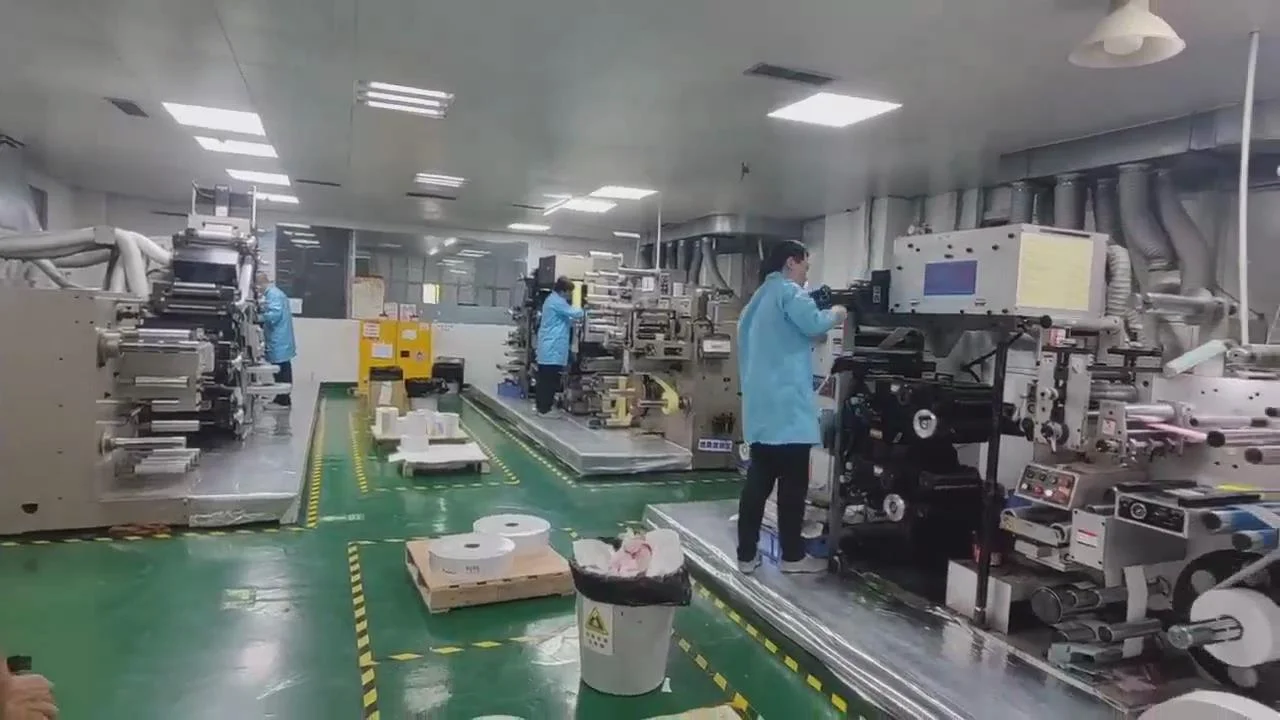
Single-source partners like JinXinCai remove this friction. Our end-to-end in-house production ensures quality control from design to finishing. This approach reduces total cost of ownership by up to 22% compared to multi-vendor setups. Compared to manual alternatives, the breakeven on a single-source shift is typically 6–12 months.
Packaging and labels are growing, driven by e-commerce expansion. This growth makes single-source partnerships more valuable as volume increases. Label Printing FAQ: Costs, Timelines & Compliance Guide 2026 covers partner evaluation criteria in depth.
A single-source approach leverages Heidelberg press calibration for consistent registration within ±0.5 mm, meeting Pantone and CMYK standards across runs. This precision is achievable only when artwork, substrate, and press are aligned under one quality system.
Buyer action: Evaluate now. Assess partners with in-house die-cutting and finishing. Consolidate suppliers only after validating quality metrics. The trend toward single sourcing is ongoing and accelerated by supply chain disruptions.
What Are the Limitations of a Label Printing Platform Shift?
A label printing platform shift is not ideal for low-volume operations processing fewer than 1,000 labels per month. The upfront software investment and workflow changes may not generate sufficient returns without consistent, high-volume throughput. Competitors offer advantages in specialized short-run digital printing or custom eco-friendly materials.
A platform shift is not ideal for operations processing fewer than 1,000 labels per month. The main drawback is upfront software investment. Consider instead a phased rollout for smaller volumes.
High-mix, low-volume shops may find this approach won't work for their workflow. The trade-off between automation and flexibility is not always straightforward. This method may not be the best choice for businesses with rapidly changing label designs.
When to Consider Alternatives
For example, a packaging engineer working with FSC-certified, 12 pt board stock running on a Heidelberg press ensures ±0.5 mm registration at 300 dpi, meeting Pantone color standards. This level of precision is achievable with a platform shift, but requires upfront investment in calibration and training.
On the other hand, high-volume operations see ROI within 6–12 months. Compared to manual alternatives, the breakeven depends on consistent throughput. Although setup costs are higher, per-unit savings compound quickly above 5,000 labels per run.
Thermal printers are more suitable for shipping labels, but laser printers offer better color accuracy for short runs. A platform shift is more suitable for operations with stable, repeatable label designs rather than rapid prototyping shops.
Key Takeaways from the Label Printing Platform Shift
A label printing platform shift is a comprehensive strategy that reduces reprints and total cost of ownership by up to 22% through proactive design, calibration, and integration. As of 2026, the adoption of artwork bleed zones, thermal printer selection, creep calibration, integrated software, and single-source partnerships is reshaping the industry. The shift is anticipated to accelerate through 2026 as more buyers consolidate suppliers and adopt integrated platforms.
Next steps to get started: Audit your current label workflow for alignment failures. Implement bleed zones in all artwork templates. Calibrate printers weekly. Evaluate single-source label partners for volume runs. Contact JinXinCai for a free workflow assessment and request a quote for your next label project.
Frequently Asked Questions
How does printer creep affect label alignment in thermal printers?
Printer creep causes gradual label content shift across a run, often reaching 0.25 inches over 30–50 labels on some laser models. Thermal printers have fewer creep issues due to less heat-induced expansion, maintaining consistent alignment for hundreds of labels. Weekly calibration and disabling borderless printing are effective fixes.
What is the breakeven point for upgrading to an industrial label printer?
The breakeven for a platform shift typically occurs within 6–12 months for high-volume operations processing over 5,000 labels per run. For low-volume shops under 1,000 labels per month, the upfront software investment may not generate sufficient returns, making a phased rollout more suitable.
What should I specify when ordering label artwork to minimize shift?
Specify a mandatory 1/8-inch bleed zone to accommodate up to 1/16-inch shift during printing. Use CMYK with Pantone spot colors at 300 dpi for color accuracy. Avoid borderless printing settings, which can cause content shift. These specifications reduce reprints by up to 30%.
How to fix label shift when printing multiple labels on a sheet?
First, ensure artwork includes a 1/8-inch bleed zone. Calibrate your printer weekly and disable borderless printing. For persistent creep, consider switching to a thermal printer, which has fewer alignment issues than laser models. Integrated software systems can also centralize settings to prevent errors.