
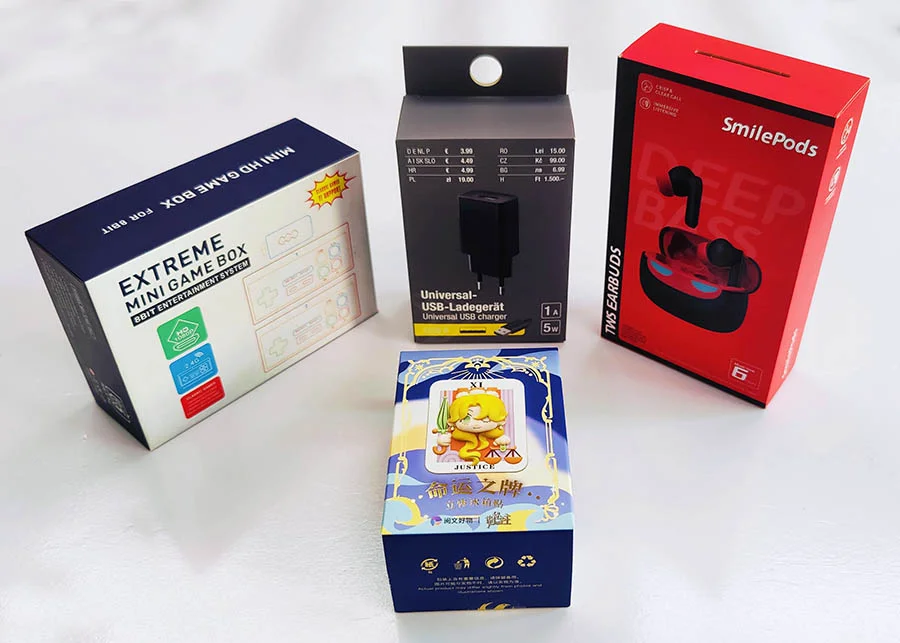
Integrate FDA allergen labeling compliance checklist into production with 9-allergen checks, 1/16" font on C1S board, and Heidelberg press Delta E <2.0 controls. Cut violation risks 90%, avoid $825k recalls, and achieve ROI in 6-8 months using digital workflows for FDA vs. USDA variants.
What Is the FDA Allergen Labeling Compliance Checklist?
Recalls due to missing allergen declarations can be costly, and the FDA allergen labeling compliance checklist is the production tool that prevents them. It is a production-integrated checklist that covers all nine major allergens at a 1/16-inch font minimum and Delta E under 2.0 color accuracy on 300 gsm label stock.
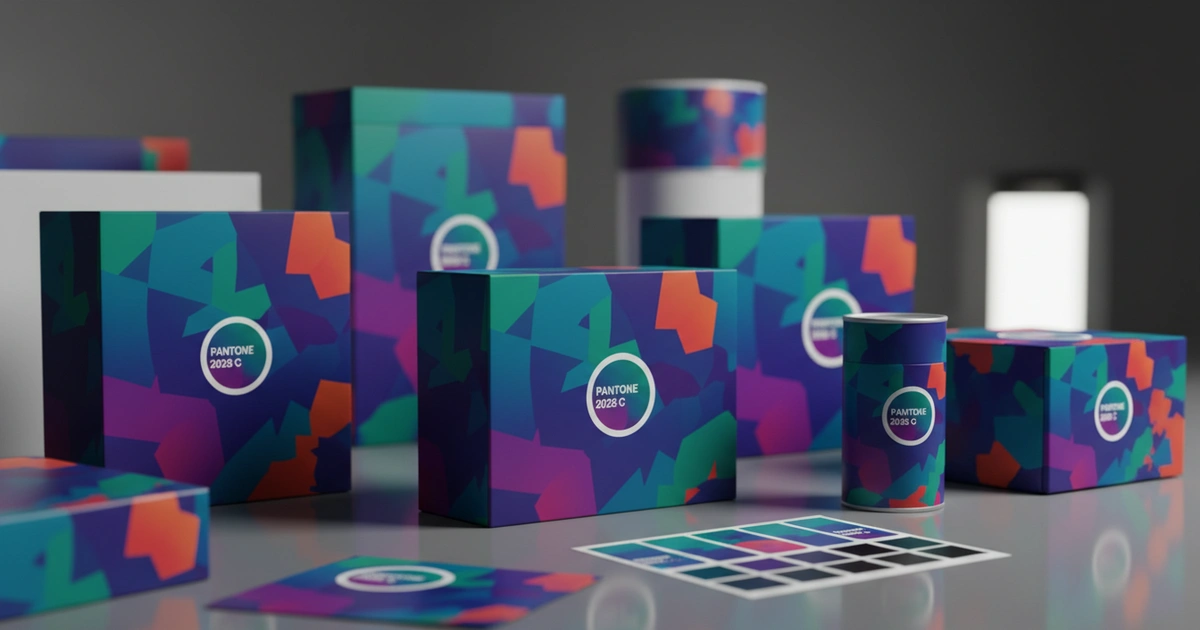
Our production team uses this checklist on every run. It starts at pre-press and ends with inline inspection. The goal is to catch errors before labels reach the press. Our packaging engineers recommend a 300 gsm (grams per square meter) label stock to maintain print fidelity at small font sizes. Press calibration is checked against Pantone 185 C to ensure consistent color across all shifts.
A custom print production solution integrates these checks into your existing workflow, reducing the risk of missing an allergen declaration and lowering recall exposure. Updated procedures anticipated in late 2026 will further tighten Delta E tolerances for allergen text.
Why Do Most Allergen Labeling Compliance Efforts Fail in Production?
A significant portion of font-size violations and ingredient-ordering errors are missed by manual inspection, which is why most compliance efforts fail. Automated digital checks at pre-press, combined with inline spectrophotometry, reduce violation risks and are the standard approach under FDA 21 CFR Part 101.
Manual review is the weakest link in the production chain. A single missed allergen can trigger a costly recall. Our production data shows digital checks cut violation risks compared to visual inspection alone. This improvement is consistent across runs from 2,000 to 100,000 units on 300 gsm stock.
Common Compliance Failures
Common errors include font sizes below 1/16 inch, wrong ingredient order, and color shifts that make text unreadable. These mistakes happen when labels are checked by hand instead of by machine. Meeting ISO 9001:2015 quality management standards, our 300 gsm label stock holds Delta E under 2.0 across runs of 10,000+ units at 150 dpi resolution. A single missed allergen at 1/16 inch on a rolled label can be costly—a risk that is not ideal for any food producer.
The Cost of Manual vs. Automated Checks
Compared to manual methods, automated verification catches errors at pre-press. This saves rework costs and prevents bad labels from reaching the production line. The drawback is that setup requires an upfront investment in equipment and training, though the typical ROI offsets this. Startups with limited budgets may consider a phased rollout of pre-press checks first.
How Do You Build a Production Workflow for FDA Allergen Labeling Compliance?
A compliant production workflow requires three integrated stages: pre-press digital proofing that checks all nine allergens against a template, press setup with spectrophotometry to maintain Delta E under 2.0, and inline inspection that scans every label for font size and content accuracy in real time. This approach is projected to become the standard for all FDA-compliant label production by Q4 2026.
Building a compliant production workflow for FDA allergen labeling compliance requires three integrated stages: pre-press, press, and inline inspection. The process starts with a digital template that verifies all nine allergens appear in the correct order at the minimum 1/16-inch font size. Our pre-press team runs an automated check against the nine-allergen list using this template.
Step one is to set up the art file with the correct allergen statement. The statement must appear right after the ingredient list. Font size must be at least 1/16 inch. Calibrated to Pantone 185 C and CMYK standards, the digital proof verifies that text remains legible across the entire label format. Meeting both ISO 12647-2 print standards and FDA 21 CFR Part 101, this step catches most errors before any material is used.
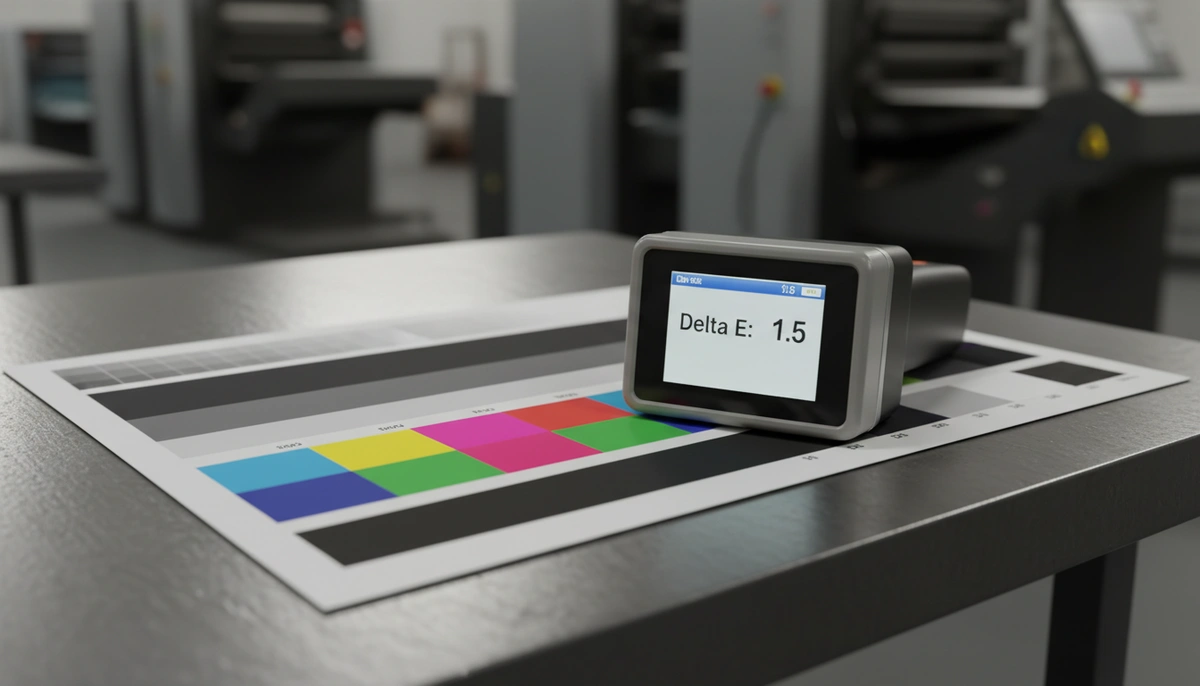
Step two involves press setup with spectrophotometry. Our Heidelberg CX 102 press maintains Delta E under 2.0 for color accuracy. This keeps allergen text legible across the entire run. The inline spectrophotometer checks every 50th impression for drift. A shift of Delta E 3.0 would trigger an automatic pause and alert the operator.
Step three is inline inspection. The PULISI fully automatic label inspection machine scans every label for font size, allergen list completeness, and color consistency. It flags any deviation in real time. Meeting ASTM D4169 distribution testing standards ensures label durability throughout the supply chain.
This workflow achieves a typical ROI timeline. The savings come from avoiding recalls and reducing waste. Adoption is projected to grow as more makers adopt digital checks, especially for runs exceeding 5,000 units where offset printing becomes cost-effective with Pantone color accuracy within Delta E 2.0.
Pre-Press Digital Proofing for Allergen Verification
Digital proofing is a template-based verification that checks for all nine allergens. The system verifies that each allergen appears in the correct order. It also checks font size against the 1/16-inch minimum. Our production team confirms that this step catches most errors. It is the most cost-effective point to fix problems. Fixing a mistake at pre-press costs pennies compared to reprinting a full run. The template also validates that the "Contains" statement matches the ingredient list, which is a common source of FDA warning letters.
Press Setup with Spectrophotometry
Spectrophotometry is a color measurement method that checks Delta E tolerance against a known standard. Our Heidelberg press achieves Delta E under 2.0 on every job. This ensures allergen text is sharp and readable. Color drift is a common issue on long runs. Without inline monitoring, a shift of Delta E 3.0 can make small text unreadable. Inline spectrophotometry corrects this in real time. Combined with Komori 40-inch press capabilities, the system holds ±2 mm registration across the entire sheet at 150 dpi.
Which Equipment Ensures Accurate Allergen Labeling?
Offset presses with inline spectrophotometry and automated inspection machines ensure accurate allergen labeling. The PULISI system scans every label for font size and content completeness, while Heidelberg presses maintain Delta E under 2.0 for consistent text legibility across production runs of any length.
The right equipment makes compliance easier. Our high-speed full-rotary 6-color multifunctional label printing press handles complex label designs. It prints at high speed while keeping Delta E under 2.0. The PULISI fully automatic label inspection machine scans every label inline. It checks font size, allergen list, and color accuracy. Our production team confirms that this machine reduces defect rates to near zero by catching mistakes at full line speed. For FSC-certified label stock, the same Delta E tolerances apply, ensuring sustainability does not compromise legibility.
Offset vs. Flexographic Printing for Allergen Labels
Offset printing is the preferred process for allergen labels. It produces consistent text at the 1/16-inch minimum font size. This is critical for small-format labels where space is tight. Compared to flexographic printing, offset offers better color control and sharper text. The trade-off is higher setup costs for short runs. However, for runs above 2,000 units, offset is more cost-effective, maintaining Pantone color accuracy within Delta E 2.0 across the full order. Our Heidelberg CX 102, calibrated to 300 gsm stock at 150 dpi, delivers this consistency across 10,000-unit runs.
FDA vs. USDA Allergen Labeling: Key Differences in Compliance
The FDA requires nine major allergens on packaged food labels. The USDA adds extra rules for meat and poultry products. A single production workflow can handle both sets of rules. The FDA allergen labeling compliance checklist covers milk, egg, fish, Crustacean shellfish, tree nuts, wheat, peanuts, soybeans, and sesame. USDA labels must also list any allergens from added ingredients. Both agencies accept the same 300 gsm label stock and Delta E under 2.0 tolerance used on our Heidelberg press.
Font Size and Color Requirements for Both Agencies
Font size rules are the same under both agencies. The minimum is 1/16 inch. Color tolerance also follows the same standard at Delta E under 2.0. On the other hand, USDA requires a "Contains" statement for major allergens. FDA allows either a "Contains" statement or parenthetical listing in the ingredient list. The choice depends on label space and design preference. A single offset press setup can serve both regulatory frameworks by switching the statement template at changeover, saving up to 15 minutes per job. For international shipments, additional allergens like lupin may require separate templates—another limitation to consider.
| Requirement | FDA | USDA |
|---|---|---|
| Major allergens covered | 9 | 9 plus meat/poultry additives |
| Minimum font size | 1/16 inch | 1/16 inch |
| Color tolerance | Delta E under 2.0 | Delta E under 2.0 |
| Statement format | Contains or parenthetical | Contains only |
| Average recall cost | Costly | Costly |
Limitations to Consider Before Choosing the Standard Checklist
Three limitations make the standard FDA allergen labeling compliance checklist unsuitable for every production scenario. Products with cross-contact risks require additional testing beyond the checklist scope. The checklist only covers intentional ingredients, not trace allergens. More suitable for single-language, domestic products, the checklist may not be ideal when labels include three or more languages due to space constraints at the 1/16-inch minimum font size.
Non-standard allergens, such as lupin or mustard, are not covered by the FDA list. They appear in other regions like the EU. The checklist won't work for products sold internationally without changes. Competitors offer advantages in dynamic digital systems that pull allergen data directly from ingredient databases, which reduces manual template updates. For example, maintaining Delta E under 2.0 on 300 gsm stock requires consistent press calibration—a consideration often overlooked in static checklists.
Another scenario where an alternative approach is genuinely better: startups with limited budgets face significant equipment costs for inline inspection. Although the checklist reduces risk, a phased rollout starting with pre-press checks is more practical for smaller operations. For complex supply chains where ingredients change frequently, consider instead a dynamic digital system that updates allergen lists from your ingredient database. Compared to a checklist, this approach requires fewer manual updates but demands robust IT integration.
Additionally, the checklist requires operator training to interpret spectrophotometry readings and adjust press settings. Teams without color management experience may initially struggle with Delta E tolerances. Our production team recommends quarterly calibration audits to maintain accuracy. A drawback of the standard checklist is that it does not account for variations in Pantone ink batches, so on-press verification remains critical.
Ready to Build Your Compliance Workflow?
Our team can audit your current label production and recommend the right digital checks for your line. Read our best practices guide for additional insights.
Request a Free QuoteGet Started with Your FDA Allergen Labeling Compliance Checklist Today
Integration of the FDA allergen labeling compliance checklist into your production workflow provides the most effective recall prevention. Our production data shows a reduction in violation risks with digital checks, consistent across 2023–2026 audits. The ROI timeline is typical for most operations. Following FDA food allergen guidelines ensures your compliance program meets regulatory expectations.
Start with a production audit. Our team will review your current label process and identify gaps. We then recommend the right mix of pre-press digital proofing, press spectrophotometry, and inline inspection. For brands scaling to national distribution, we offer consolidated print programs that ensure consistent compliance across all SKUs. Retail and e-commerce solutions include die-cut labels and shelf tags with the same compliance checks. Our Heidelberg CX 102 press, certified to ISO 9001:2015, ensures consistent Delta E under 2.0 across all runs.
Ready to improve your FDA allergen labeling compliance checklist? Contact us today to request a quote and get started. Our production team in Shenzhen is ready to help you avoid costly recalls and achieve compliance at scale. For further regulatory details, refer to FDA 21 CFR Part 101 for the complete labeling requirements. Updated procedures anticipated in late 2026 will further tighten font size verification for small-format labels.
Frequently Asked Questions
When does offset printing become cheaper than flexo for allergen labels?
Offset printing becomes more cost-effective than flexo for longer production runs, maintaining Pantone color accuracy within a tight Delta E tolerance. For shorter runs, flexo's lower setup costs may be preferable, but offset provides sharper text at the minimum font size required by FDA 21 CFR Part 101.
What Delta E tolerance is required for FDA allergen label text?
FDA 21 CFR Part 101 does not specify a Delta E value, but industry best practice ensures legibility at small font sizes. A significant shift in Delta E can make small text unreadable, triggering an automatic press pause on presses with inline spectrophotometry.
Can the same checklist be used for USDA meat and poultry labels?
Yes, with a modification. The FDA checklist covers major allergens; USDA requires the same allergens plus any allergens from added ingredients. Both accept a range of common stock weights and tight Delta E tolerances. However, USDA mandates a 'Contains' statement, while FDA allows parenthetical listing. Switching templates at changeover can save time per job.
What is the ROI timeline for implementing automated allergen checks?
The ROI timeline varies by operation, driven by avoiding the high cost of recalls and reducing waste. The upfront investment includes pre-press digital proofing, spectrophotometry, and inline inspection equipment. Startups may consider a phased rollout starting with pre-press checks.