Navigate the $600B beauty market with data-driven insights. Learn how to leverage the Vogue Business Beauty Trend Tracker for product development, packaging innovation, and consumer targeting in 2024.
- The Vogue Business Beauty Trend Tracker is a critical tool for data-driven decision-making in a $600B+ market.
- 2024 trends are defined by personalization, sustainability, and multi-sensory experiences, demanding agile packaging solutions.
- Print quality and material choice directly impact brand perception and consumer trust, especially in luxury beauty.
- Forecasting consumer behavior requires analyzing both macro-trends and micro-communities (e.g., #SkinTok).
- Integrating trend data into your supply chain and print production process is essential for speed-to-market.
In the hyper-competitive, $600+ billion global beauty industry, launching a product based on intuition is a high-stakes gamble. Brand managers and packaging directors face a constant dilemma: how to allocate R&D and production budgets toward innovations that will resonate tomorrow, not just today. The gap between identifying a trend and capitalizing on it with a physical product—complete with compliant, high-quality packaging—is where brands win or lose. This is where authoritative resources like the Vogue Business Beauty Trend Tracker transform from interesting reads into essential strategic weapons. This article decodes how to operationalize its insights, with a particular focus on the critical role of packaging and print execution in bringing 2024's beauty industry trends to market.

What Is the Vogue Business Beauty Trend Tracker and Why Does It Matter?
The Vogue Business Beauty Trend Tracker is a curated, data-informed analysis platform that synthesizes runway influences, consumer sentiment, retail data, and cultural shifts into actionable intelligence for beauty professionals. It matters because it moves beyond generic reporting to connect aesthetic movements with commercial opportunity.
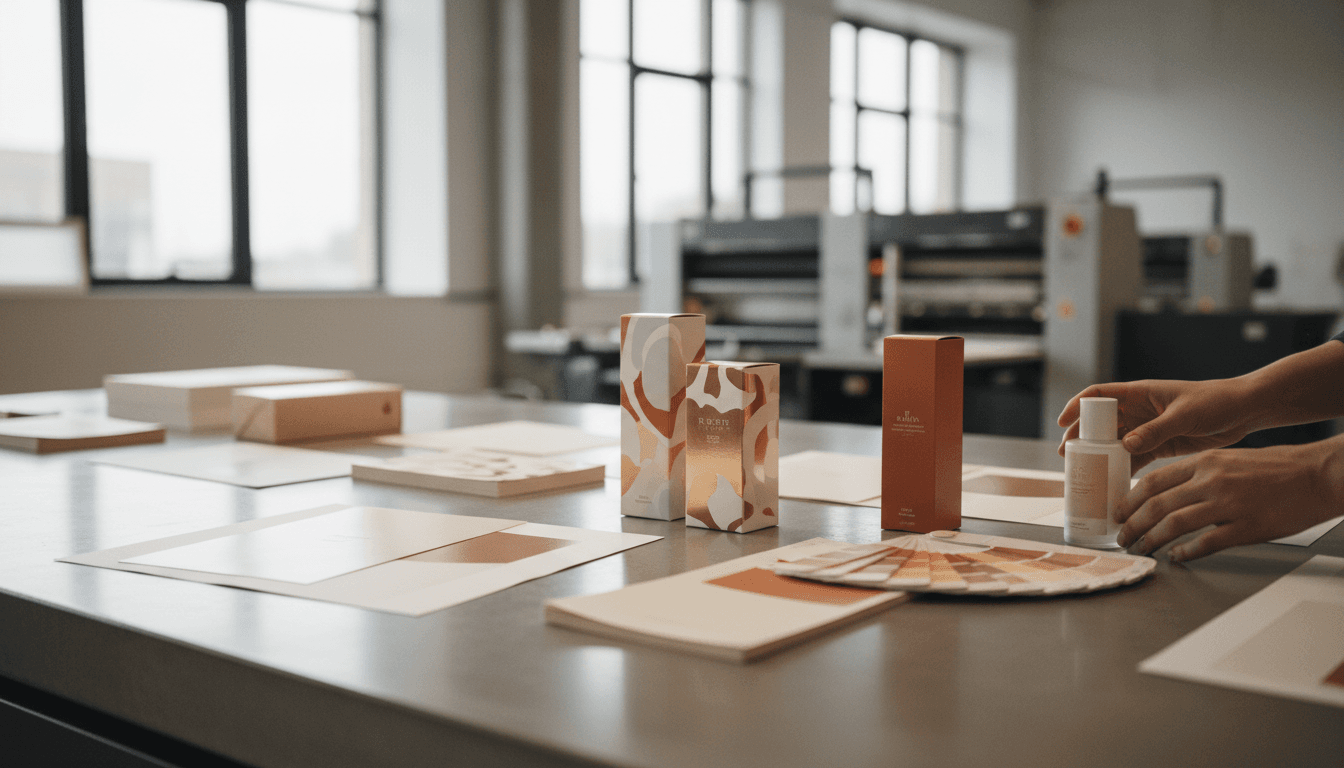
For executives, it's a risk mitigation tool. Consider a hypothetical scenario: A mid-sized skincare brand notices the tracker highlighting "biomimetic skincare" as a rising luxury beauty trend. Instead of a full, costly line launch, they use this signal to develop a single hero serum. They partner with a printer like JinXinCai Printing to create limited-edition packaging using textured, sustainable paper stocks and sophisticated offset printing services for precise color matching of natural, earthy tones. This allows them to test the market with lower volume and faster turnaround than a traditional cosmetic line, leveraging the trend without overcommitting. The tracker provides the "what" and "why"; your production partnership determines the "how" and "how fast."
What Are the Key Vogue Business Beauty Trends for 2024?
The 2024 landscape is defined by three interconnected pillars: hyper-personalization, radical sustainability, and experiential wellness. These aren't just marketing slogans; they are directives for product formulation, packaging design, and manufacturing processes.
First, hyper-personalization extends beyond shade matching to encompass skincare based on circadian rhythms, microbiome health, and even emotional state. This demands packaging that can accommodate variable data—think batch-specific codes, personalized messages, or connected packaging with QR codes—favoring digital printing's flexibility for short runs. Second, radical sustainability shifts from recycled materials to reusable systems, refillable compacts, and waterless formulations. Packaging engineers must now source and test new mono-materials and design for disassembly. Third, experiential wellness blurs the lines between skincare and sensory ritual. Packaging becomes part of the experience through weighted jars, magnetic closures, and textured finishes that are achieved through advanced finishing techniques like soft-touch lamination or spot UV.
"The next wave of beauty innovation won't be found solely in the serum, but in the silent dialogue between the product, its package, and the consumer's senses. The unboxing is now the first step of the skincare routine." – Senior Packaging Strategist, Global Beauty Brand
How Does Skincare and Cosmetics Market Analysis Inform Strategy?
A robust cosmetics market analysis reveals a market bifurcating into two powerful streams: clinical-efficacy-driven skincare and emotion-driven color cosmetics. The skincare segment is growing at nearly 8% annually, fueled by an educated consumer demanding transparency. This translates to packaging with more real estate for ingredient lists, clinical claims, and sustainability certifications—all requiring impeccable print clarity and durability. The color cosmetics segment, while cyclical, is driven by social media trends and limited-edition collaborations. Speed is paramount. Here, digital printing allows brands to launch small-batch, trend-led collections (like a viral blush shade) within weeks, not months.
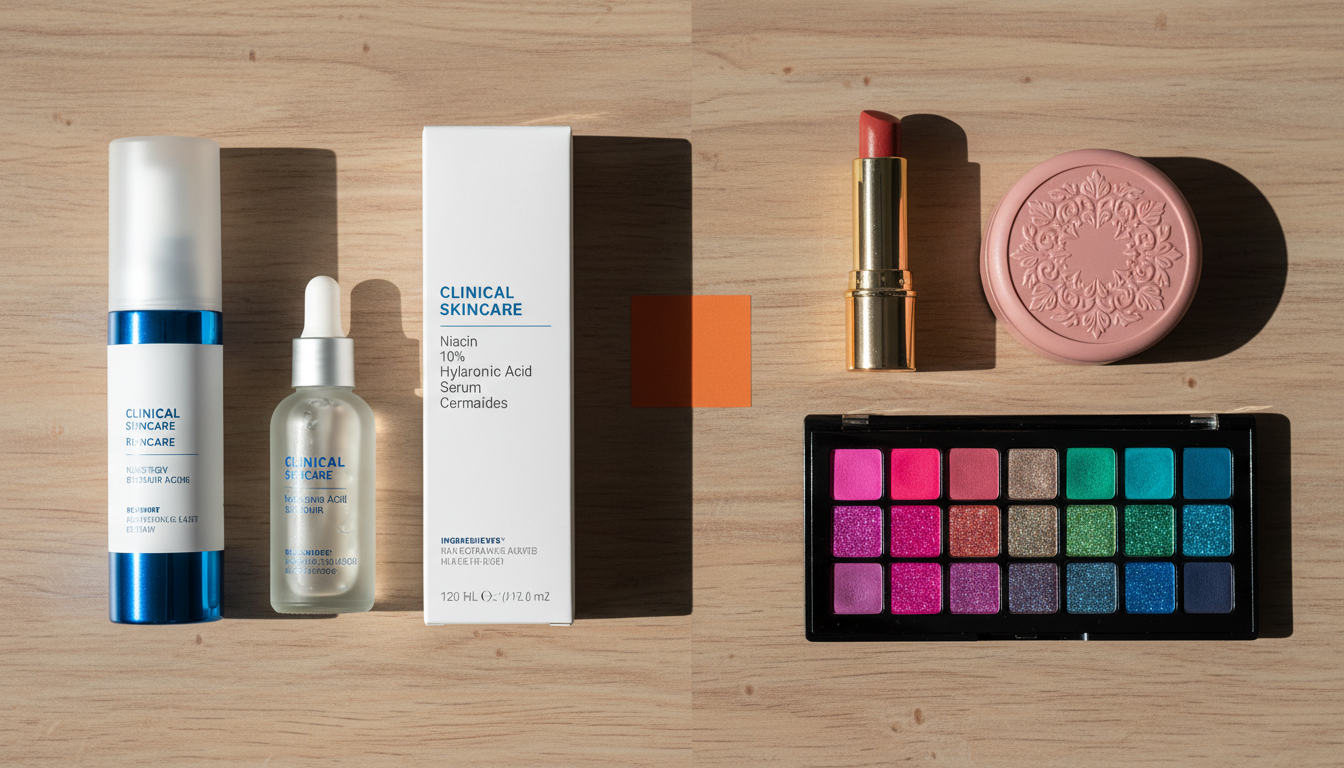
For instance, a beauty industry report might show a surge in demand for barrier-support products. A brand's response isn't just a new cream; it's packaging that protects the formula from light and air (using UV-inhibitant varnishes and airless pump technology) and communicates stability through clean, clinical graphics printed via high-resolution offset for a trustworthy, premium feel.
What Are the Critical Packaging and Print Trends in Beauty?
Packaging is the silent ambassador of your brand promise. The current beauty product trends directly dictate packaging innovation. We see a move from ostentation to authenticity, which manifests in several key print and packaging trends:
- Material Honesty: Uncoated, recycled papers, molded pulp, and glass dominate. This challenges printers to achieve vibrant colors on absorbent, textured substrates, a specialty of experienced cosmetics and beauty packaging providers.
- Touch as a Brand Language: Finishes are crucial. Soft-touch lamination conveys luxury and care, while high-gloss spot UV highlights logos and creates contrast. Debossing and engraving add a tactile, heirloom quality.
- Digital Flexibility: The need for regional variations, personalization, and micro-batches makes digital printing indispensable. It allows for cost-effective versioning—changing a shade name or influencer collaboration logo without retooling entire offset plates.
- Structural Minimalism: Reducing material use isn't just eco-friendly; it's cost-effective. This requires precise die-cutting and structural engineering to ensure a reduced package still feels substantial and protects the product.
A brand leveraging the "quiet luxury" trend might use a minimalist FSC-certified paper carton with a deep, foil-stamped logo and a blind-embossed pattern. The production requires a printer capable of handling delicate stocks and executing precise registration for the foil stamp, a core strength at JinXinCai Printing.
Ready to translate 2024's beauty trends into packaging that captivates? Our team specializes in high-fidelity print and sustainable material solutions for brands of all sizes.
Get a Free Quote →How Can Consumer Insights and Beauty Forecasting Drive Innovation?
Effective beauty forecasting combines macro-data with micro-community listening. The rise of #SkinTok, for example, isn't just a platform trend; it's a consumer beauty insight factory. Users are diagnosing themselves with conditions like "maskne" or "stress rashes," creating immediate demand for targeted solutions. Forecasting this means monitoring these communities, then rapidly developing and packaging solutions.
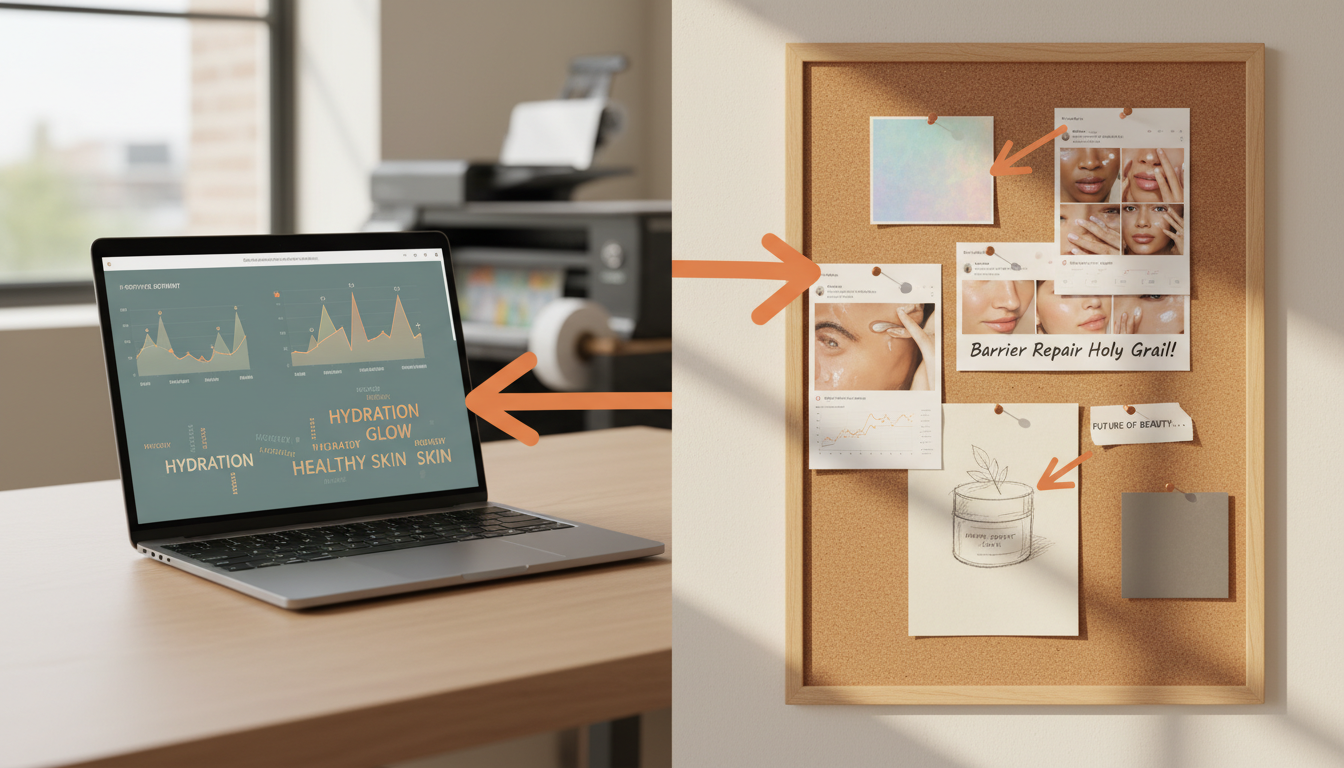
The data shows a demand for simplicity and efficacy. of Gen Z consumers prioritize "ingredients I can pronounce" over brand legacy.
How Should Beauty Brands Leverage Trend Data for Product Development?
Leveraging a beauty trend tracker is a three-step process: Translate, Integrate, and Accelerate. First, translate aesthetic trends into material and print specifications. If the trend is "glazed donut skin," the packaging might feature iridescent or holographic foils that mimic a dewy glow. Second, integrate the data into your cross-functional timeline. Marketing, product development, and packaging procurement must work from the same trend brief to avoid misalignment. Third, accelerate by partnering with suppliers built for agility. For a trend-led lipstick launch, you need a printer who can manage quick-turn digital sampling, source speciality metallic inks, and execute a complex die-cut window box simultaneously.
Your beauty brand strategy must include a print and packaging partner in the innovation loop early. Presenting your trend brief to a printer during the concept phase allows them to advise on feasible material substitutions, cost-saving structural adjustments, and lead time realities for different print methods (e.g., offset for 50,000 units, digital for 5,000).
What Is the Future Outlook for the Beauty Industry?
The future points towards even greater integration of technology, sustainability, and customization. We'll see wider adoption of AI in beauty forecasting, predicting regional trend adoption rates. Augmented Reality (AR) try-on will become standard, requiring packaging to seamlessly integrate scannable markers. The circular economy will mature, with brands taking responsibility for package回收 through take-back programs, influencing material choices toward easily recyclable mono-plastics or compostable papers.
For print and packaging, this means an increased need for smart packaging (printed conductive inks for NFC tags), continued innovation in sustainable substrates, and a hybrid printing model that combines the quality of offset for core lines with the agility of digital for personalized or regional spins. Success will belong to brands that treat their packaging not as a cost center, but as a dynamic, data-responsive touchpoint.
Conclusion: From Data to Shelf
The Vogue Business Beauty Trend Tracker and similar tools provide the crucial intelligence to navigate the complex beauty landscape. However, insight without execution is merely observation. The true differentiator lies in your ability to physically manifest these trends through impeccable, innovative, and responsive packaging. Whether it's capturing the subtle sheen of a luxury beauty trend with specialty coatings or rapidly producing a limited run for a viral cosmetics trend, your choice of print manufacturing partner is the final, critical link in the chain. It determines the quality, speed, and sustainability of your market response.
Your Next Step: Audit your current packaging development process. How long does it take from trend identification to physical prototype? Bring your 2024 trend brief to a partner like JinXinCai Printing for a technical consultation. Discover how the right blend of offset, digital, and finishing capabilities can compress your timeline and elevate your brand's physical presence on the shelf.
Frequently Asked Questions
What is the Vogue Business Beauty Trend Tracker?
The Vogue Business Beauty Trend Tracker is a strategic intelligence resource that analyzes cultural, retail, and consumer data to identify and forecast emerging trends in the global beauty and cosmetics industry. It provides brand leaders with data-backed insights to inform product development, marketing, and packaging strategy, moving beyond surface-level reporting to offer actionable commercial guidance.
How can beauty brands use trend data for product development?
Brands should use trend data to de-risk innovation by guiding R&D focus, informing formula attributes, and defining packaging requirements. For example, data on the "skinification of makeup" trend would lead to developing foundations with skincare benefits, necessitating packaging like airless pumps that preserve active ingredients. The data helps align cross-functional teams from the outset on a unified product vision.
What are the current packaging trends in the beauty industry?
Key packaging trends include a strong shift towards refillable and reusable systems, the use of sustainable and "material honest" substrates like recycled paper and glass, sophisticated tactile finishes (soft-touch, engraving), and minimalist design that prioritizes clarity and ingredient transparency. Digital printing is also trending for enabling personalization and limited-edition runs.
How does print quality impact beauty product perception?
Print quality is directly correlated with perceived product quality and brand legitimacy. Crisp, high-resolution graphics and precise color matching convey professionalism and efficacy, especially in clinical skincare. Flawless execution of specialty finishes like foil stamping or spot UV signals luxury and attention to detail, justifying a premium price point and building consumer trust in the brand's promise.
Frequently Asked Questions
What is the Vogue Business Beauty Trend Tracker?
The Vogue Business Beauty Trend Tracker is a strategic intelligence resource that analyzes cultural, retail, and consumer data to identify and forecast emerging trends in the global beauty and cosmetics industry. It provides brand leaders with data-backed insights to inform product development, marketing, and packaging strategy, moving beyond surface-level reporting to offer actionable commercial guidance.
How can beauty brands use trend data for product development?
Brands should use trend data to de-risk innovation by guiding R&D focus, informing formula attributes, and defining packaging requirements. For example, data on the 'skinification of makeup' trend would lead to developing foundations with skincare benefits, necessitating packaging like airless pumps that preserve active ingredients. The data helps align cross-functional teams from the outset on a unified product vision.
What are the current packaging trends in the beauty industry?
Key packaging trends include a strong shift towards refillable and reusable systems, the use of sustainable and 'material honest' substrates like recycled paper and glass, sophisticated tactile finishes (soft-touch, engraving), and minimalist design that prioritizes clarity and ingredient transparency. Digital printing is also trending for enabling personalization and limited-edition runs.
How does print quality impact beauty product perception?
Print quality is directly correlated with perceived product quality and brand legitimacy. Crisp, high-resolution graphics and precise color matching convey professionalism and efficacy, especially in clinical skincare. Flawless execution of specialty finishes like foil stamping or spot UV signals luxury and attention to detail, justifying a premium price point and building consumer trust in the brand's promise.